

Prediction markets and sports betting both allow people to speculate on future outcomes, but they operate in fundamentally different ways. While sports betting relies on bookmakers and fixed odds, prediction markets use open trading and crowd-driven pricing to forecast probabilities.
Understanding the difference between prediction markets and sports betting is essential for anyone deciding how to participate in event-based speculation, whether through traditional sportsbooks or crypto-native prediction platforms.
What Are Prediction Markets?
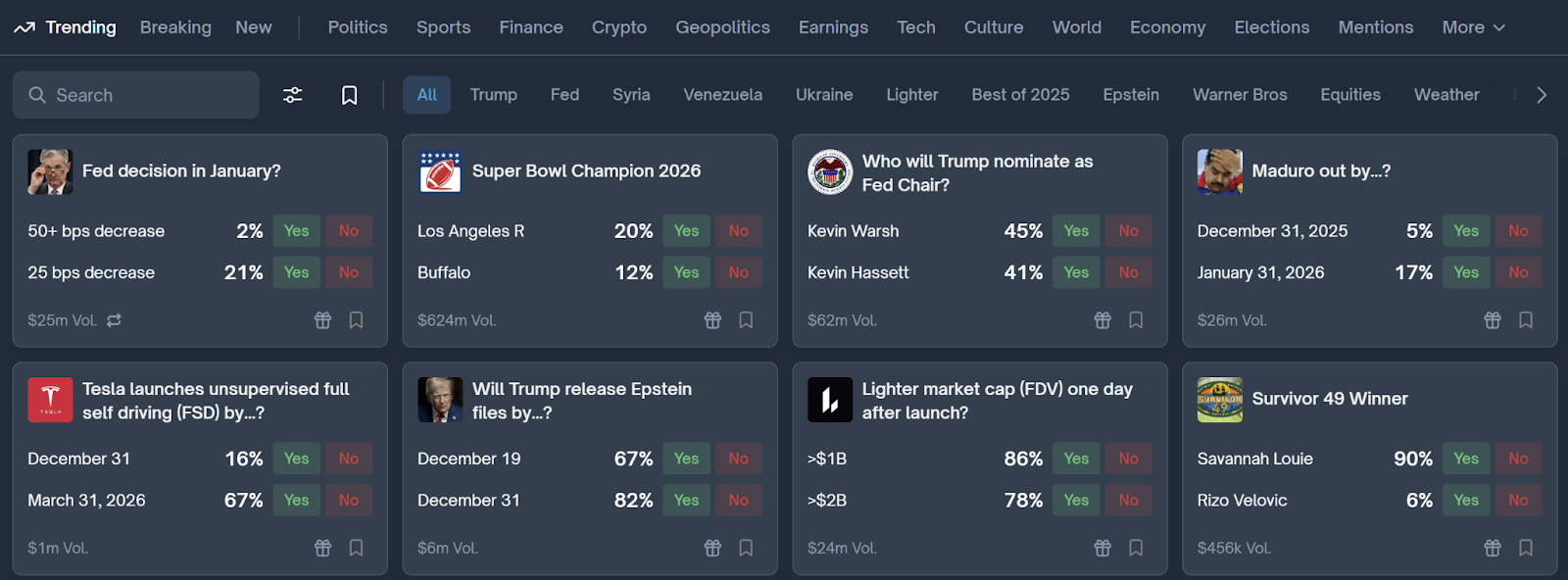
Prediction markets are platforms where users trade on the outcomes of future events. Instead of placing a wager against a bookmaker, participants buy and sell outcome positions in a market. Prices fluctuate based on supply and demand, reflecting the collective belief about how likely an event is to occur.
In crypto-based systems, prediction markets are typically decentralized and powered by smart contracts.
If you’re new to the concept, read our complete guide to crypto prediction markets to understand how they work in detail.
What Is Sports Betting?
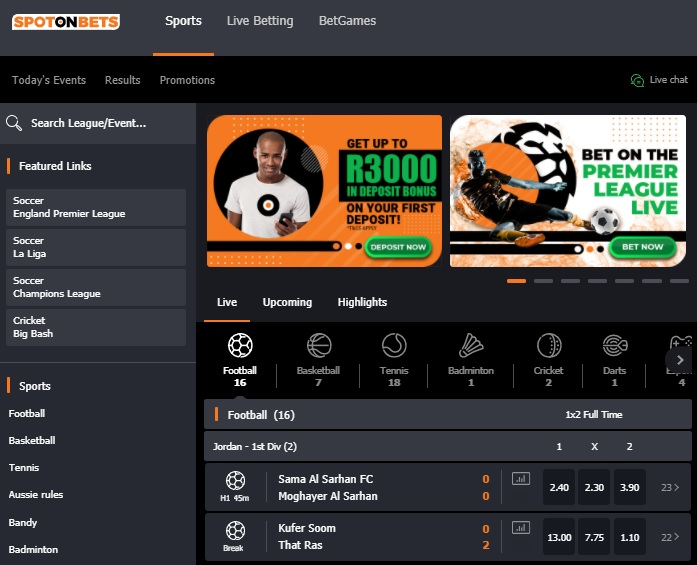
Sports betting is a form of gambling where users place wagers on sports events through sportsbooks or bookmakers. Odds are set by the betting operator, and users bet against the house rather than other participants.
Bookmakers adjust odds to manage risk and ensure a built-in advantage, commonly known as the house edge. Sports betting is widely regulated and deeply embedded in traditional gambling industries.
Key Differences Between Prediction Markets and Sports Betting
1. Market Structure
The most important difference between prediction markets and sports betting is how markets are structured.
- Prediction markets are peer-to-peer. Users trade with each other, and prices move freely based on market activity.
- Sports betting is centralized. All bets are placed against a bookmaker that controls odds and payouts.
This structural difference directly affects transparency, pricing, and participant incentives.
2. Odds and Pricing Models
In sports betting, odds are created by sportsbooks using statistical models and risk management strategies. These odds typically include margins to guarantee profits for the operator.
Prediction markets work differently. Prices emerge from trading behavior and represent implied probabilities. For example, a contract trading at 0.65 suggests a 65 percent chance of the event occurring.
This pricing mechanism allows prediction markets to function as real-time forecasting tools, rather than traditional betting systems.
3. House Edge vs Market Efficiency
Sports betting includes a built-in house edge that favors the bookmaker over time. Even skilled bettors face structural disadvantages due to this model.
Prediction markets usually do not have a house edge. Instead, users trade against one another, and the market rewards accurate information and analysis. Many researchers argue this structure leads to greater market efficiency.
4. Types of Events
Sports betting focuses almost entirely on athletic competitions.
Prediction markets support a much broader range of events, including:
- Sports outcomes
- Political elections
- Crypto price movements
- Economic indicators
- Technology launches
- Cultural and media events
This flexibility makes prediction markets appealing beyond traditional gambling audiences.
5. Regulation and Legal Differences
Sports betting is regulated in many jurisdictions, with clear licensing requirements and consumer protections. Its legality depends on local laws and varies widely by country and region.
Prediction markets operate in a more complex regulatory environment. Some jurisdictions classify them as financial markets, others as gambling platforms, and some restrict them entirely. Decentralized prediction markets add further complexity due to their global and permissionless nature..
6. Risk and User Experience
Both systems involve risk, but the user experience differs.
Sports betting risks
- Guaranteed house advantage
- Limited transparency in odds setting
- Potential account limits or restrictions
Prediction market risks
- Low liquidity in smaller markets
- Regulatory uncertainty
- Smart contract or oracle risks in crypto-based markets
Users should carefully evaluate their risk tolerance and understand how each system operates before participating.
Are Prediction Markets Gambling?
A common question is whether prediction markets should be considered gambling.
Sports betting is clearly defined as gambling in most jurisdictions. Users place wagers against a bookmaker, odds are fixed, and the system is designed around entertainment and risk management by the operator.
Prediction markets operate differently. Participants trade with one another in open markets where prices change continuously based on new information. Rather than betting against a house, users express views on the likelihood of an outcome through buying and selling positions.
Because of this structure, prediction markets are often described as information markets rather than traditional gambling systems. Key differences include:
- Users trade against other participants, not a bookmaker
- Prices represent implied probabilities and adjust in real time
- Participants can enter and exit positions before an event concludes
- Profit depends on forecasting accuracy rather than fixed odds
That said, legal and regulatory interpretations vary by region. In some jurisdictions, prediction markets involving real money are still classified as gambling, particularly when consumer protections or licensing frameworks apply.
The distinction comes down to structure and intent:
- Sports betting is bookmaker-driven and optimized for wagering against fixed odds
- Prediction markets are market-driven and designed to aggregate collective expectations through trading
Both involve financial risk, and users should always understand local regulations before participating.
Prediction Markets vs Sportsbooks: Which Is Better?
There is no universal answer to whether prediction markets are better than sports betting. The choice depends on individual goals.
- Choose sports betting if you prefer a familiar experience, regulated platforms, and fixed odds.
- Choose prediction markets if you value transparency, dynamic pricing, broader event coverage, and market-based forecasting.
Many users explore both systems depending on the event and context.
Final Thoughts
Prediction markets and sports betting may appear similar on the surface, but they are built on very different foundations. Sports betting is bookmaker-driven and optimized for entertainment, while prediction markets are market-driven and optimized for forecasting accuracy.
Understanding these key differences helps users choose the system that best aligns with their interests, risk tolerance, and analytical approach. As decentralized prediction markets continue to evolve, the line between forecasting and betting may blur, but their structural differences will remain.
Learn more about Backpack
Exchange | Wallet | Twitter | Discord | Reddit
Disclaimer: This content is presented to you on an “as is” basis for general information and educational purposes only, without representation or warranty of any kind. It should not be construed as financial, legal or other professional advice, nor is it intended to recommend the purchase of any specific product or service. You should seek your own advice from appropriate professional advisors. Where the article is contributed by a third party contributor, please note that those views expressed belong to the third party contributor, and do not necessarily reflect those of Backpack. Please read our full disclaimer for further details. Digital asset prices can be volatile. The value of your investment may go down or up and you may not get back the amount invested. You are solely responsible for your investment decisions and Backpack is not liable for any losses you may incur. This material should not be construed as financial, legal or other professional advice.
.avif)

