
Key Takeaways
- Transaction Speed: Solana processes thousands of transactions per second with sub-second block times, prioritizing performance and user experience. Bitcoin supports up to ~7 TPS with ~10-minute block times, emphasizing decentralization and security.
- Architectural Philosophy: Solana is a high-speed, monolithic blockchain optimized for throughput. Bitcoin is a conservative, security-first protocol focused on immutability.
- Cost Efficiency: Solana fees are typically fractions of a cent, while Bitcoin fees vary widely depending on network congestion.
- Developer Ecosystem & Language: Solana development centers on Rust and the Anchor framework, supported by a large and active developer community. Bitcoin Core, written in C++, prioritizes stability and security with a more conservative contributor base.
Introduction
As of 2026, the blockchain industry is no longer defined by transactions per second. The focus has shifted to design philosophy and real-world adoption. Solana has emerged as a leading platform for DeFi, NFTs, and consumer applications, thanks to its high-throughput architecture and sub-second block times, enabling smooth user experiences at scale. Bitcoin remains the most secure and decentralized blockchain, trusted as digital gold and the leading store of value.
This showdown pits Solana’s performance against Bitcoin’s security to see which model is better positioned for the future of crypto.
What is Solana?
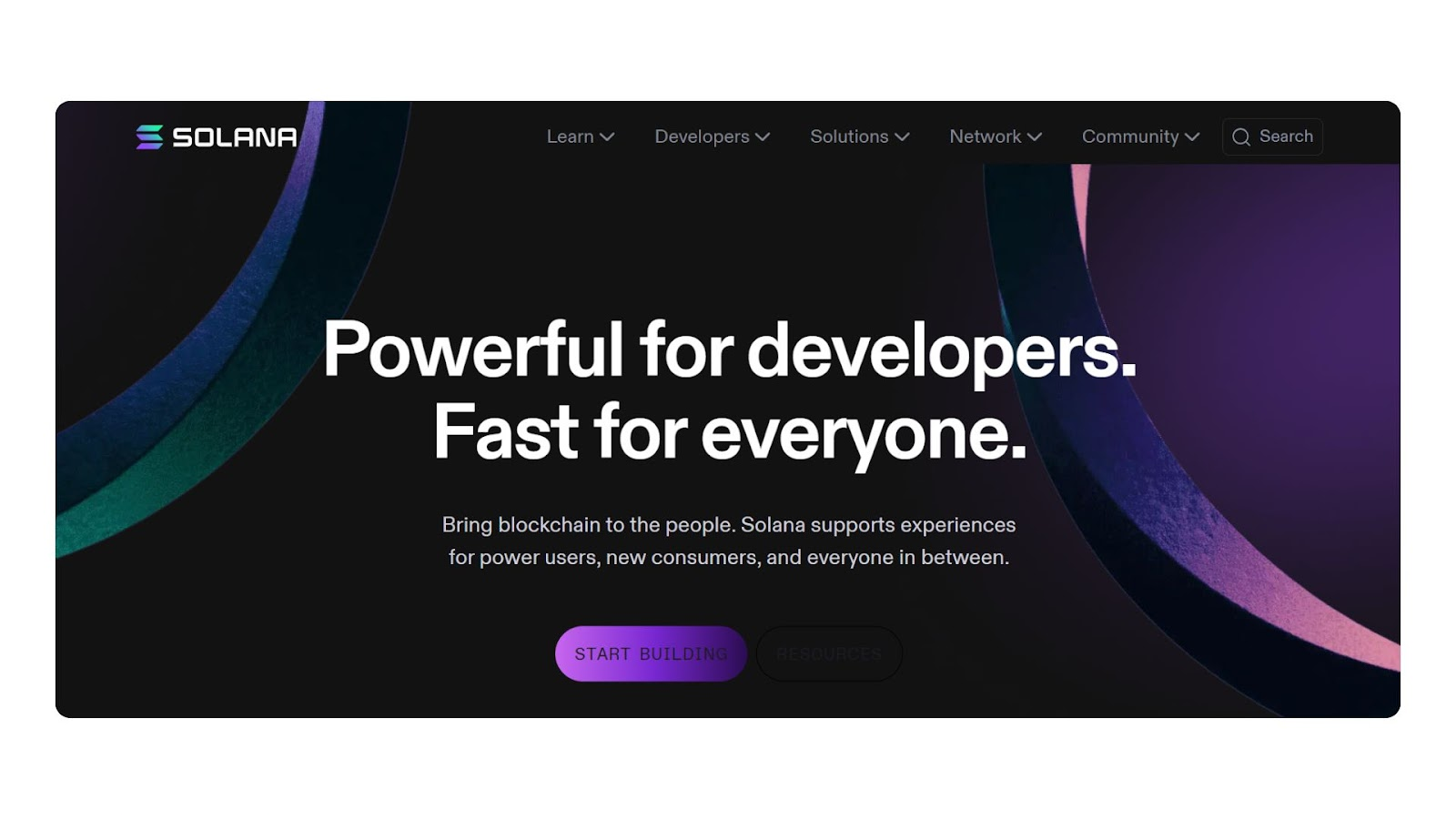
Solana is a high-performance Layer-1 blockchain launched in 2020 by Anatoly Yakovenko, built to address the speed and scalability limits of earlier networks. It combines Proof of History (PoH) with Proof of Stake (PoS) to enable fast transaction finality, low fees, and high throughput.
In real-world conditions, Solana processes thousands of transactions per second with sub-second block times, making it suitable for applications that require real-time responsiveness.
This performance has made Solana a popular platform for decentralized exchanges (DEXs), NFT marketplaces, gaming, and consumer-facing crypto apps. Its ecosystem includes a wide range of developer tools, wallets, and infrastructure that support high-frequency and large-scale use cases.
While Solana experienced network instability in its early years, ongoing protocol upgrades and the development of validator clients such as Firedancer are focused on improving reliability and resilience as the network matures. Solana Price Today
What is Bitcoin?
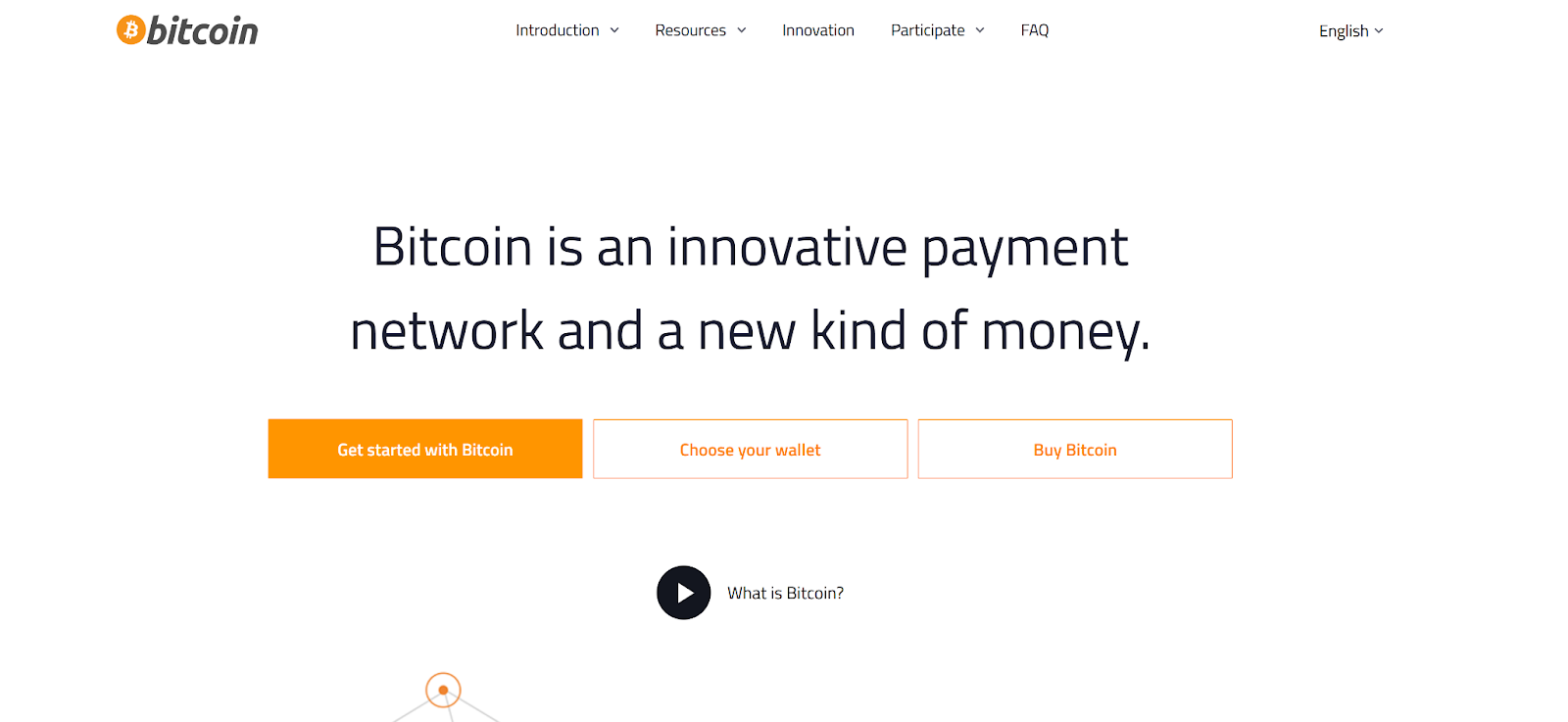
Bitcoin, launched in 2009 by the pseudonymous Satoshi Nakamoto, is the world’s first decentralized cryptocurrency and the foundation of the entire digital asset ecosystem. It runs on a Proof of Work (PoW) consensus mechanism, where miners compete using computational power to validate transactions and secure the blockchain.
This design produces an average 10-minute block time and supports roughly 3–7 transactions per second (TPS), slower than modern blockchains like Solana, but with unmatched reliability. Bitcoin’s true strength lies in its security and decentralization. Supported by the largest computational network in existence and boasting over 15 years of continuous uptime, it has earned its reputation as digital gold: a censorship-resistant, borderless store of value trusted worldwide. Bitcoin Price Today
Developer Environment
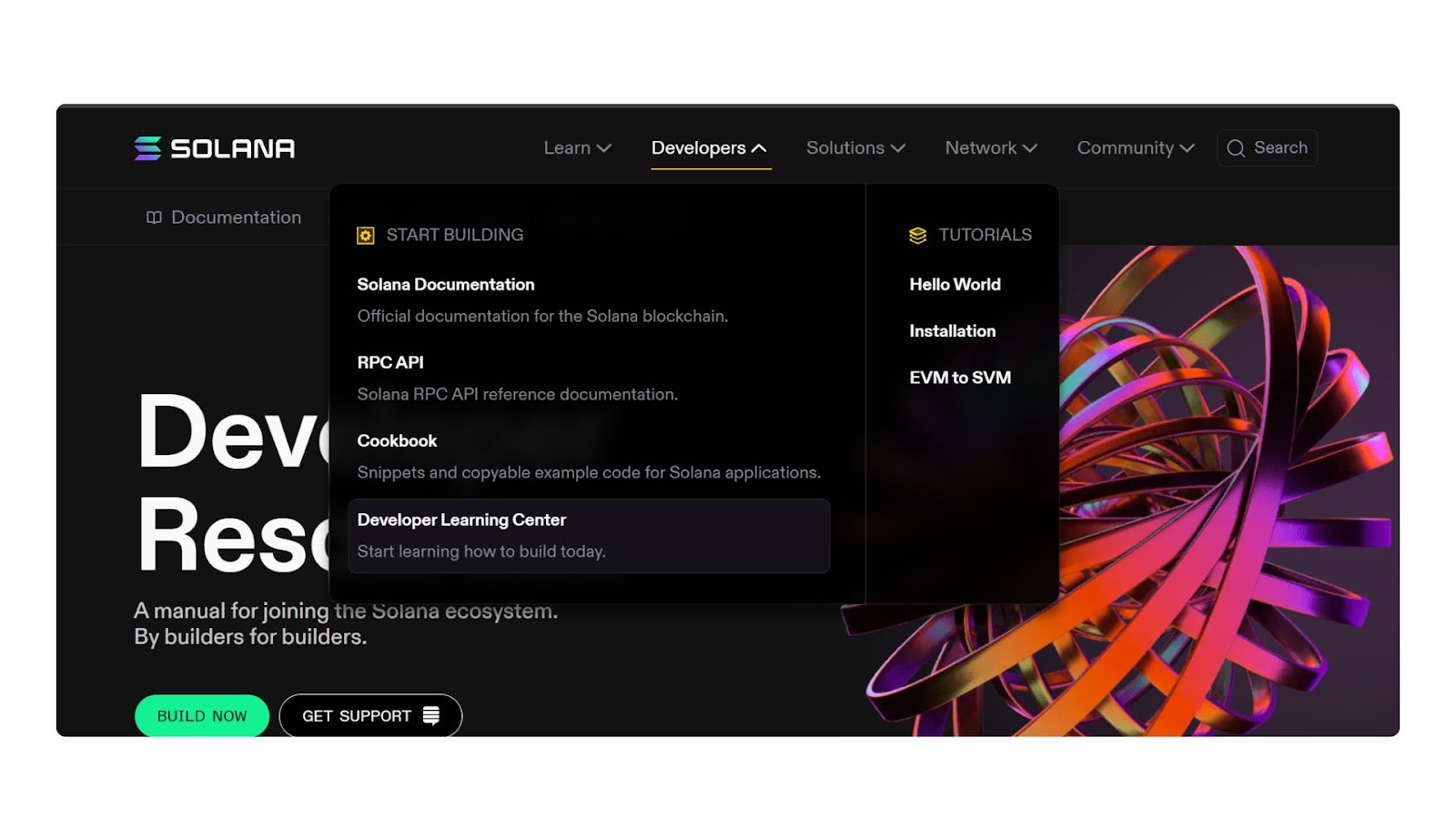
Solana Development Environment
Solana provides a high-performance development environment optimized for speed and scalability.
- Languages: Rust (primary), C, C++
- Framework: Anchor (popular framework simplifying development)
- Libraries: Solana Web3.js, SPL Token, Metaplex for NFTs
- Developer Count: ~2,500–3,000 monthly active developers
- Documentation: Comprehensive, with strong focus on performance optimization
Solana’s use of Rust and the Anchor framework attracts developers building DeFi protocols, NFT platforms, gaming applications, and performance-sensitive systems, making it one of the most active development ecosystems in Web3.
Bitcoin Development Environment
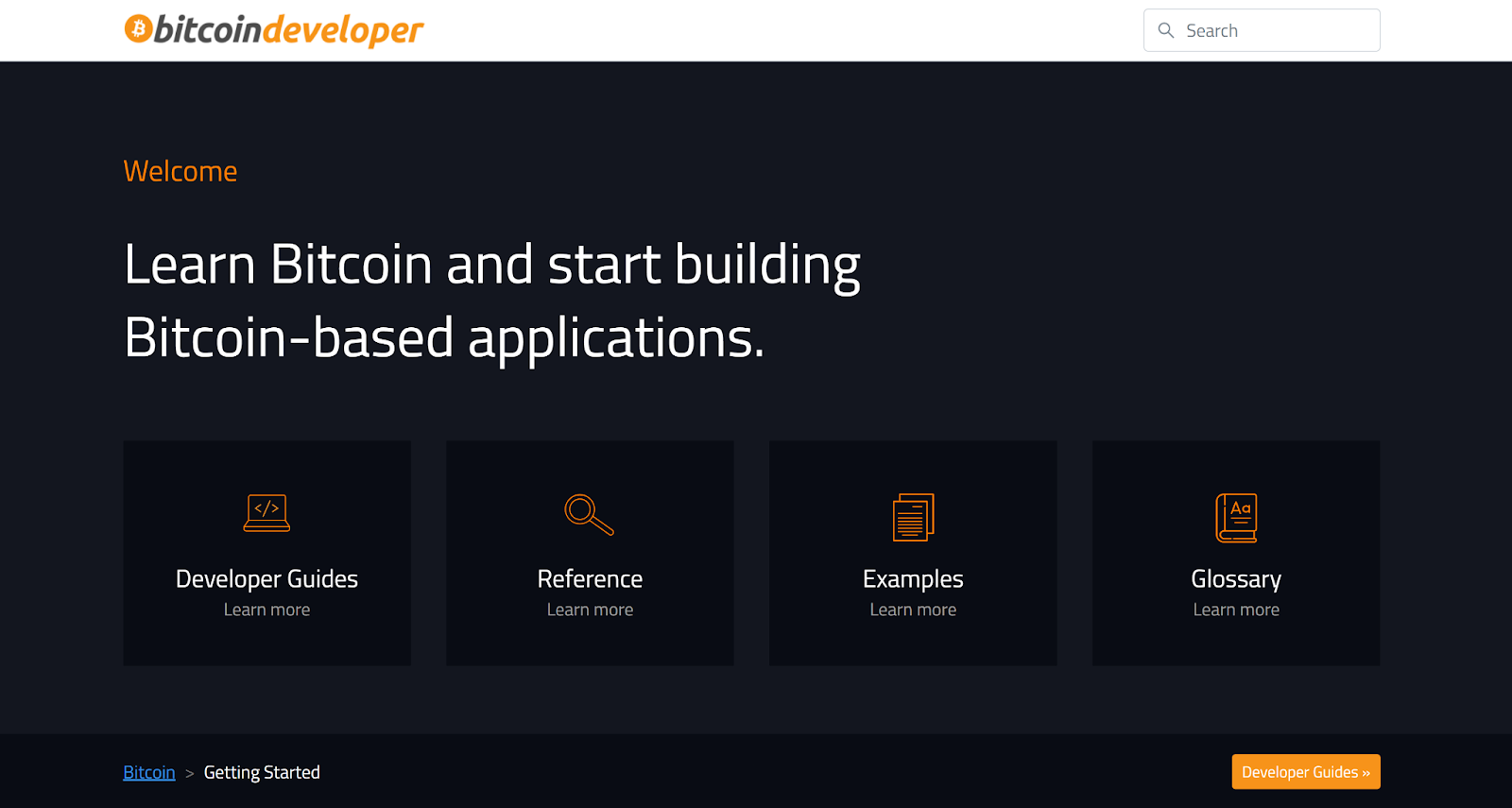
Bitcoin provides a conservative development environment focused on security and stability.
- Languages: C++ (primary), Python
- Framework: Bitcoin Core (reference client)
- Libraries: Limited, with most innovation at Layer 2
- Developer Count: ~100–200 active contributors, 1,000+ historically
- Documentation: Extensive and conservative, prioritizing reliability
Bitcoin’s cautious upgrade culture ensures unmatched security and decentralization, while most scalability and innovation occur through Layer 2 solutions such as the Lightning Network.
Decentralization and Security
Solana Decentralization and Security
Solana operates with around 1,500 validators across 40+ countries, steadily expanding its validator base to improve decentralization. While not as decentralized as Bitcoin, Solana offers greater programmability, powering smart contracts, DeFi, and NFTs. The network suffered downtime between 2021 and 2023, but has maintained 99.9% uptime since 2024. Upcoming upgrades, including the Firedancer validator client, are expected to enhance both performance and resilience, positioning Solana as a secure, high-speed alternative to Bitcoin’s conservative model.
Bitcoin Decentralization and Security
Bitcoin is the most decentralized and secure blockchain, supported by 15,000+ globally distributed nodes and the highest hash rate of any Proof of Work (PoW) network. In over 15 years of uninterrupted operation, Bitcoin has never experienced an outage, making it the most battle-tested blockchain in existence. This unmatched resilience, however, comes at the cost of limited throughput and transaction.
Pros and Cons
Solana: Pros and Cons
Pros
- High Speed: Processes ~3,000–4,000 TPS with ~400ms block times.
- Low Fees: Average cost just ~$0.00025 per transaction.
- Active Developers: 2,500–3,000 monthly devs building DeFi, NFTs, and gaming apps.
- Growing Adoption: Billions in TVL and strong traction in consumer-facing apps.
Cons
- Less Decentralized: ~1,500 validators vs Bitcoin’s 15,000+.
- Past Outages: Multiple halts 2021–2023; improved stability since 2024.
- Steep Learning Curve: Rust is powerful but harder for new blockchain developers.
Bitcoin: Pros and Cons
Pros
- Security & Decentralization: 15,000+ nodes and the highest PoW hash rate make Bitcoin the most secure blockchain.
- Store of Value: Market cap above $1T, trusted as digital gold by institutions and individuals.
- Reliability: Minimal protocol changes in 15+ years ensure unmatched stability.
- Global Trust: The first cryptocurrency, with the strongest brand recognition.
Cons
- Slow Throughput: Handles only ~3–7 TPS, limiting scalability.
- High Fees: Costs range from cents to $10+, depending on congestion.
- Limited Programmability: Few on-chain features; most innovation happens on Layer 2 like Lightning.
Performance Comparison
Transaction Speed and Throughput
Network Fees Analysis
Investment Perspective
Bitcoin Investment Thesis
- Bullish Factors: Hardest money in existence, fixed supply of 21M, global recognition, institutional adoption, regulatory clarity.
- Risk Factors: Limited scalability (~3–7 TPS), slow innovation, reliance on external Layer 2s (Lightning Network) for broader utility.
Solana Investment Thesis
- Bullish Factors: Market leader in high-speed DeFi and NFTs, ~2,500–3,000 monthly active developers, rapid adoption (TVL & volumes rising), improving reliability since 2024.
- Risk Factors: Centralization concerns (smaller validator set), competition from Ethereum and newer blockchains, history of instability (outages 2021–2023).
Future Development Roadmaps
Solana 2026–2027 Priorities
- Firedancer Integration: Continued rollout and adoption of the Firedancer validator client to improve performance, client diversity, and network resilience
- Performance Scaling: Ongoing optimizations to increase real-world throughput, reduce latency, and improve efficiency under high load
- Consumer Applications: Expansion beyond DeFi into consumer-facing use cases such as payments, gaming, NFTs, and social applications
- DeFi Ecosystem Growth: Strengthening Solana’s position as a leading platform for decentralized trading, liquidity, and on-chain financial applications
Bitcoin 2026–2027 Priorities
- Lightning Network Expansion: Continued growth in Lightning Network adoption to support faster and lower-cost Bitcoin payments
- Protocol Stability: Maintaining a conservative upgrade path to preserve long-term security, decentralization, and backward compatibility
- Layer 2 Development: Ongoing innovation across Layer 2 ecosystems such as Lightning, Stacks, and other scaling solutions for programmability
- Institutional Infrastructure: Continued expansion of ETFs, custody solutions, and compliance infrastructure as institutional participation matures
Conclusion
The Solana vs. Bitcoin debate reflects two poles of blockchain innovation: Bitcoin as the most secure store of value and Solana as a high-speed, low-cost platform for DeFi, NFTs, and consumer apps. For investors, Bitcoin offers stability, while Solana provides growth potential. For developers, Bitcoin ensures resilience, and Solana delivers scalability for mainstream adoption.
Ready to explore the Solana ecosystem? Download a Solana wallet today and experience speed, affordability, and next-gen dApps firsthand.
Learn more about Backpack
Exchange | Wallet | Twitter | Discord | Reddit
Disclaimer: This content is presented to you on an “as is” basis for general information and educational purposes only, without representation or warranty of any kind. It should not be construed as financial, legal or other professional advice, nor is it intended to recommend the purchase of any specific product or service. You should seek your own advice from appropriate professional advisors. Where the article is contributed by a third party contributor, please note that those views expressed belong to the third party contributor, and do not necessarily reflect those of Backpack. Please read our full disclaimer for further details. Digital asset prices can be volatile. The value of your investment may go down or up and you may not get back the amount invested. You are solely responsible for your investment decisions and Backpack is not liable for any losses you may incur. This material should not be construed as financial, legal or other professional advice.