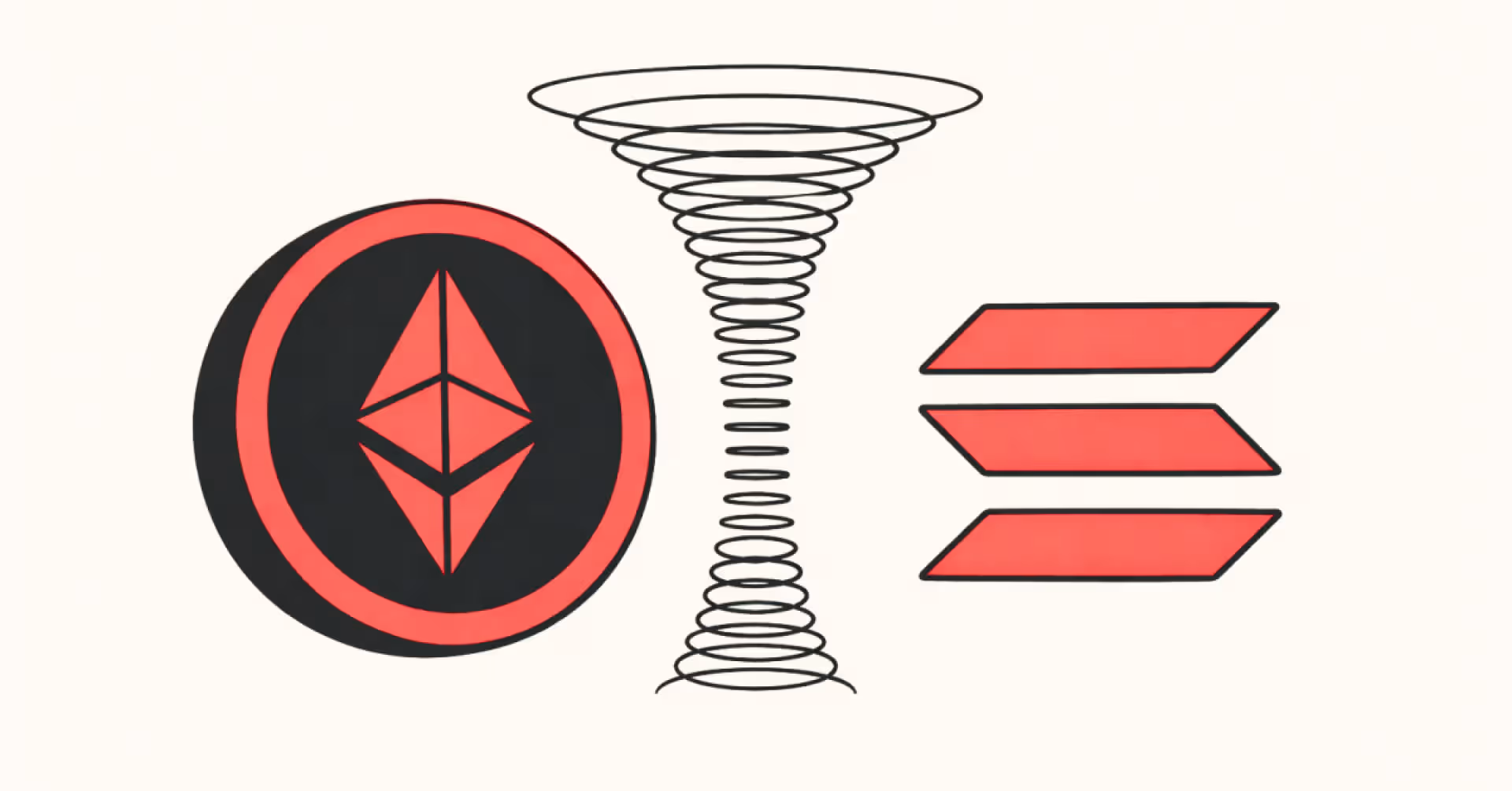
Ethereum and Solana are two of the most active ecosystems in crypto. Ethereum is the home of deep DeFi liquidity and established protocols. Solana is the leading chain for high-speed trading, NFTs, and consumer applications. Many users operate across both.
Moving assets between them requires a bridge. Most wallets charge a fee every time you bridge. Backpack Wallet does not.
Why Bridge ETH to Solana?
Solana offers a fundamentally different experience from Ethereum mainnet. Transactions confirm in seconds, gas fees average less than $0.001, and the ecosystem has developed rapidly around trading, NFTs, DeFi, and consumer apps.
For users holding ETH who want to participate in Solana's ecosystem, bridging is the most direct route. You do not need to sell ETH on an exchange and rebuy on Solana. A bridge transfers your assets cross-chain while preserving their value.
Common reasons to bridge ETH to Solana:
Access Solana DeFi. Protocols like Jupiter, Raydium, Kamino, and Sanctum operate natively on Solana. Bridging ETH gives you capital to deploy across these platforms.
Lower transaction costs. Actions that cost $10 to $50 on Ethereum mainnet cost fractions of a cent on Solana, making frequent trading and DeFi interactions far more practical.
Speed. Solana finalizes transactions in under a second under normal conditions. For time-sensitive actions, the speed difference is significant.
What Bridging ETH to Solana Actually Costs
Bridging between two different ecosystems like Ethereum and Solana involves three cost layers:
Network gas fee. Paid to Ethereum to process your transaction on the source chain. This varies with network congestion and is unavoidable.
Bridge protocol fee. Charged by the underlying cross-chain protocol routing your transfer. This varies by route and provider.
Wallet-level fee. Added by the wallet app on top of the bridge quote. Most wallets charge between 0.25% and 0.875% of the transaction value. This cost is typically embedded in the rate you see rather than shown as a separate line item.
The first two costs are part of any bridge transaction. The wallet fee is not. Backpack Wallet charges 0% on all bridge transactions, including ETH to Solana. This is displayed clearly in the interface before you confirm.
How to Bridge ETH to Solana for Free Using Backpack Wallet
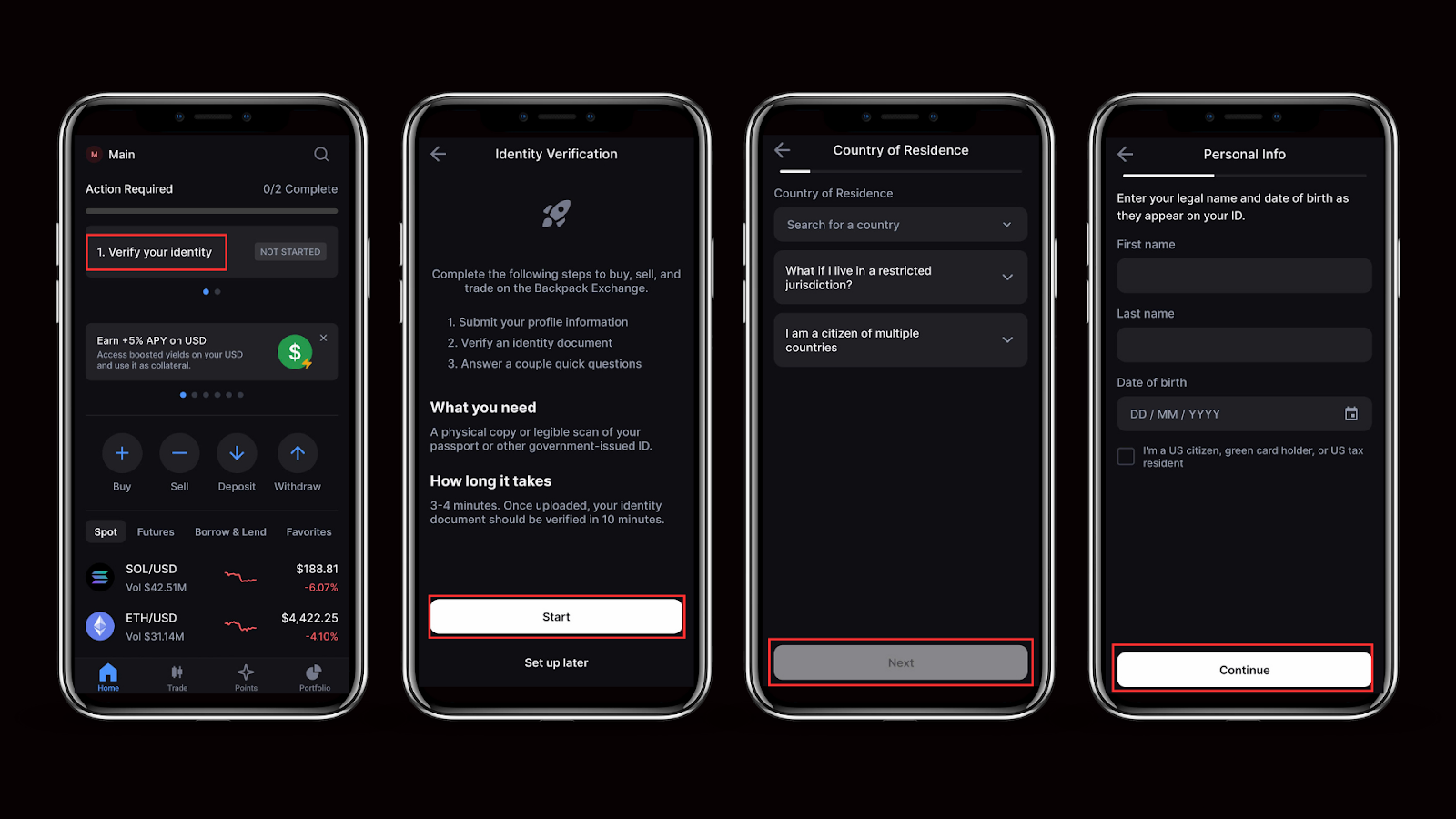
Step 1: Download Backpack Wallet Install Backpack Wallet on iOS or Android from backpack.app.
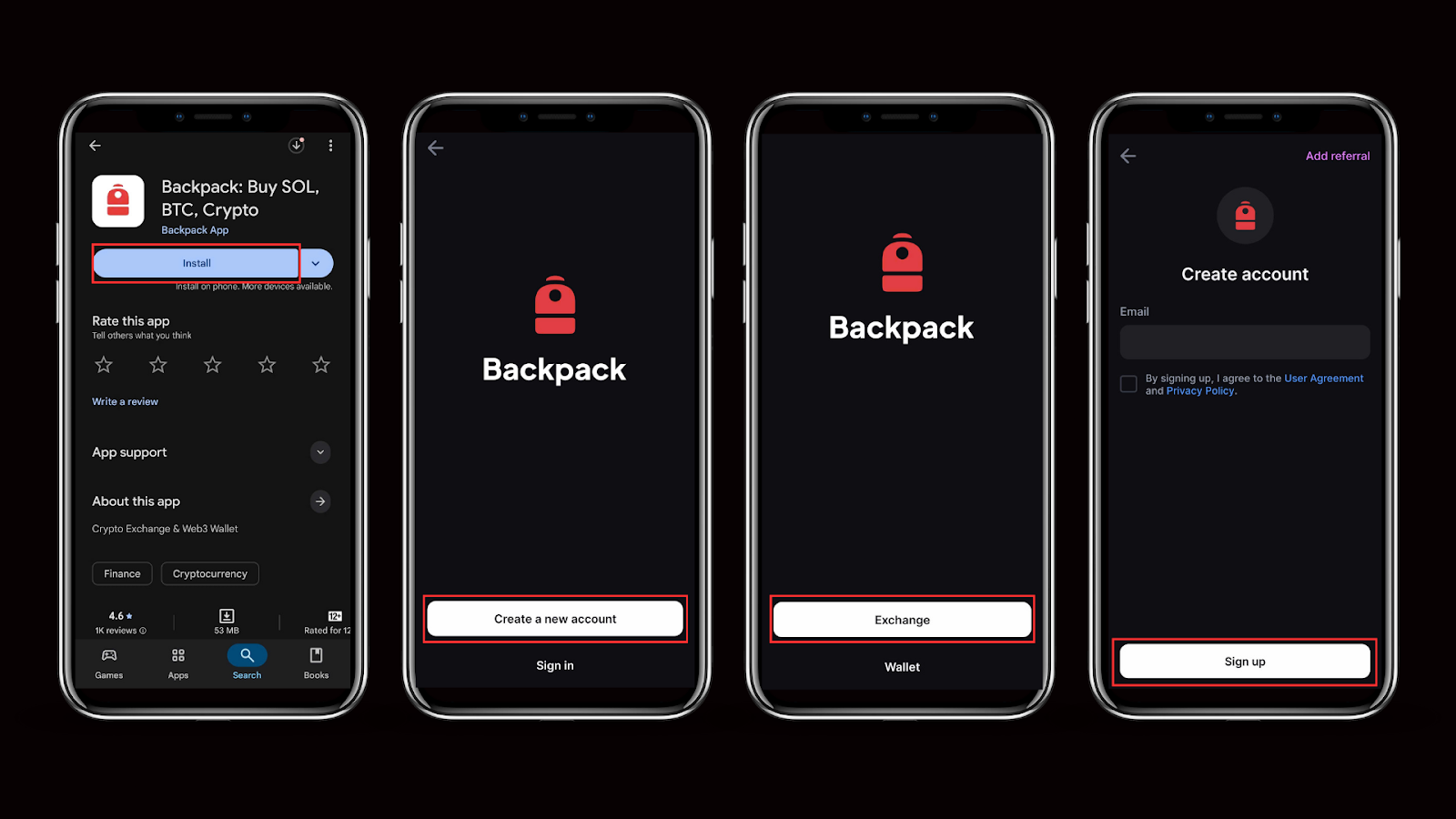
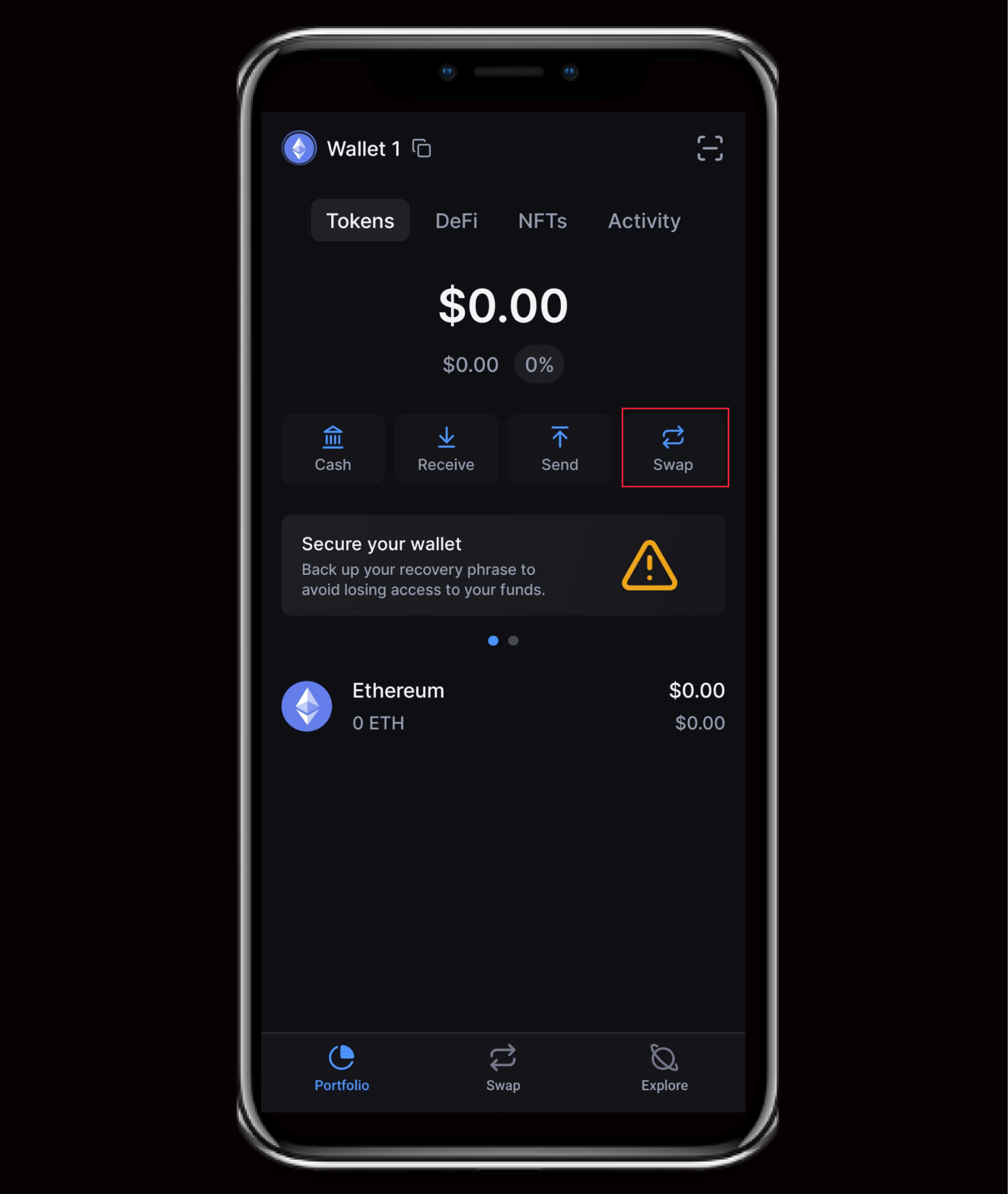
Step 2: Tap the Swap button On the home screen, tap the Swap button. You can find it either in the quick action buttons or in the bottom navigation bar.
Step 3: Switch to the Bridge tab At the top of the screen, tap Bridge to open the bridging interface.
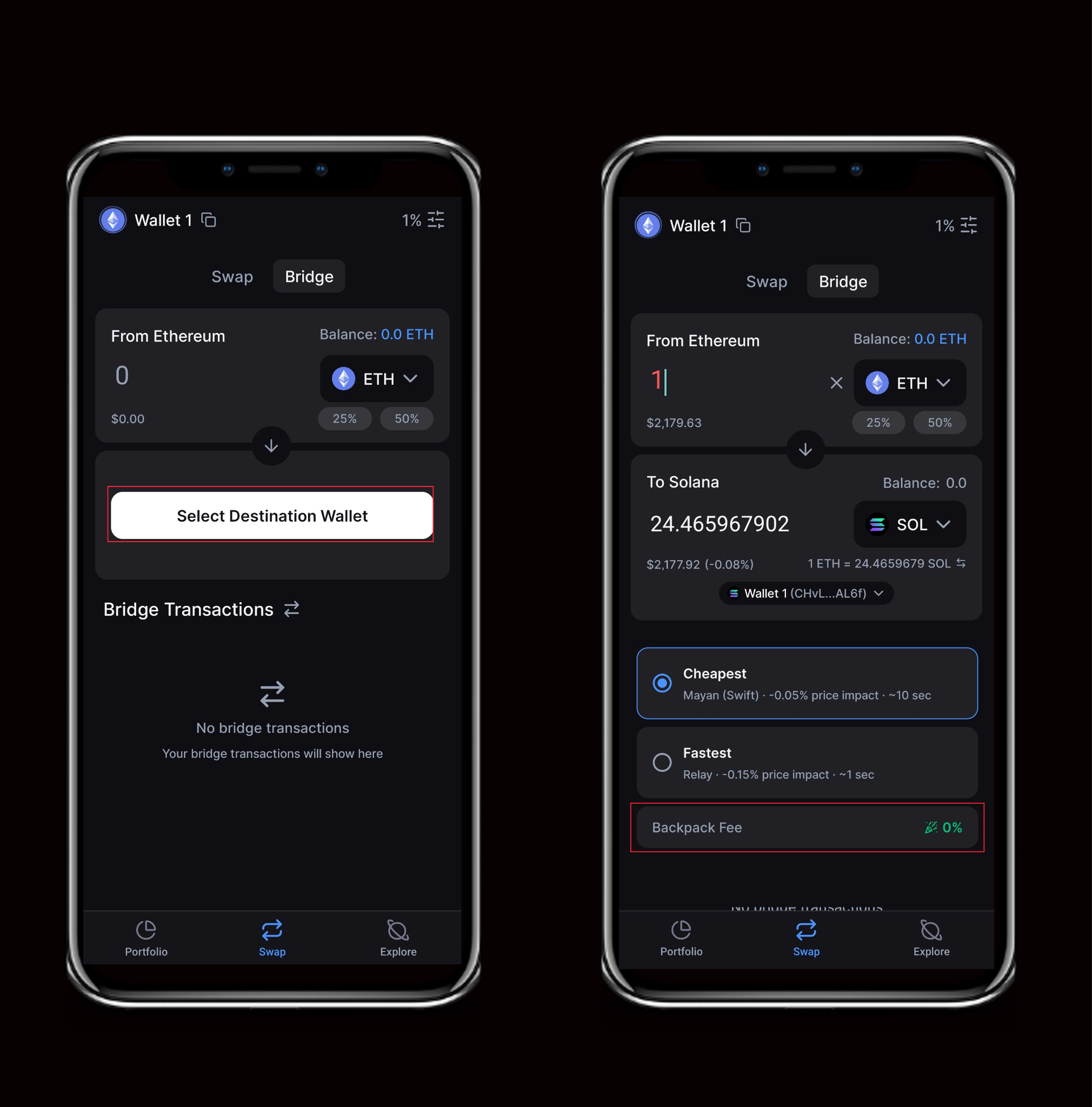
Step 4: Select your destination wallet Tap Select Destination Wallet and choose the Solana wallet you want to receive the bridged assets.
Step 5: Enter your amount and select your asset Select ETH as your asset and enter the amount you want to bridge. Backpack will display the estimated SOL you will receive.
Step 6: Choose your route Two route options will appear:
- Cheapest — best output amount, completes in approximately 10 seconds
- Fastest — completes in approximately 1 second
Step 7: Confirm Review the quote. Backpack Fee shows as 0%. Confirm to execute the bridge.
One thing to note: you will need ETH on Ethereum mainnet to cover the source chain gas fee. This is a network requirement and applies regardless of which wallet you use.
Conclusion
Bridging ETH to Solana gives you access to one of the fastest-growing ecosystems in crypto without selling your ETH position. The process involves unavoidable costs like gas and protocol fees, but the wallet fee is optional, and Backpack charges zero.
Whether you choose the Cheapest route for the best rate or the Fastest route for near-instant settlement, Backpack Fee remains 0% either way.
Download Backpack Wallet and bridge ETH to Solana for free.
Learn more about Backpack
Exchange | Wallet | Twitter | Discord | Reddit
Disclaimer: This content is presented to you on an “as is” basis for general information and educational purposes only, without representation or warranty of any kind. It should not be construed as financial, legal or other professional advice, nor is it intended to recommend the purchase of any specific product or service. You should seek your own advice from appropriate professional advisors. Where the article is contributed by a third party contributor, please note that those views expressed belong to the third party contributor, and do not necessarily reflect those of Backpack. Please read our full disclaimer for further details. Digital asset prices can be volatile. The value of your investment may go down or up and you may not get back the amount invested. You are solely responsible for your investment decisions and Backpack is not liable for any losses you may incur. This material should not be construed as financial, legal or other professional advice.