
As crypto continues to evolve into a truly multi-chain ecosystem, users increasingly need to move assets between different networks. This is where the ability to bridge crypto becomes essential. Whether you are exploring DeFi, NFT ecosystems, Layer 2s, or emerging chains like Monad, learning how cross-chain transfers work helps you navigate Web3 more efficiently.
This guide explains what a crypto bridge is, how crypto bridging works, and which platforms are considered the best bridge crypto options in 2026, as cross-chain interoperability becomes a default part of on-chain activity rather than an advanced edge case. It also highlights how wallet-level execution can affect the real cost of bridging, even when using the same underlying protocol.
What Is Bridge Crypto?
To bridge crypto means to transfer tokens from one blockchain to another. Since each blockchain operates independently, assets cannot move freely across networks. A crypto bridge provides a secure method for transferring assets between chains using smart contracts, validators, or liquidity networks.
Users commonly bridge assets between ecosystems such as Ethereum, Solana, Base, Arbitrum, BNB Chain, Polygon, Sui, and newer high-performance networks like Monad. By bridging crypto, users gain access to lower fees, deeper liquidity, faster transactions, and applications that exist only on specific blockchains.
In practice, the total cost of bridging can include multiple layers: network fees, protocol fees, and in some cases wallet-level fees applied during execution. Cross-chain bridging is now a core part of Web3 usage, allowing users to move seamlessly across ecosystems instead of remaining locked into a single chain.
How Crypto Bridging Works
Crypto bridging relies on technology that enables cross-chain communication. While each bridge has its own architecture, most use one of three foundational models.
1. Lock and Mint
Tokens on the source chain are locked in a smart contract, and a wrapped version is minted on the destination chain. This is one of the most common models for cross-chain transfers.
2. Burn and Mint
Instead of locking your assets, the original tokens are burned and an equivalent amount is minted on the target chain. Some L2 ecosystems use this model for synchronized state transitions.
3. Liquidity-Based Bridging
The bridge relies on liquidity pools across chains. You receive the equivalent token on the destination chain instantly, making this one of the fastest cross-chain bridging methods.
Regardless of the model used, bridges operate at the protocol layer. How users access these bridges, either directly through the protocol or via a wallet interface, can affect execution speed, transparency, and the overall cost of bridging.
Why People Bridge Crypto
Users bridge crypto for several reasons, and most are directly tied to cross-chain advantages:
- Accessing lower fees by moving to an L2
- Entering DeFi ecosystems with deeper liquidity
- Trading or minting NFTs on faster chains
- Participating in cross-chain airdrops
- Exploring high-performance networks such as Monad
- Using apps that exist only on specific blockchains
Cross-chain interoperability makes the Web3 experience more flexible, allowing users to choose the best environment for their activity.
Best Bridge Crypto Platforms in 2026
Choosing a reliable cross-chain bridge is essential for safe and efficient transfers. Below are the leading best bridge crypto platforms widely used in 2026.
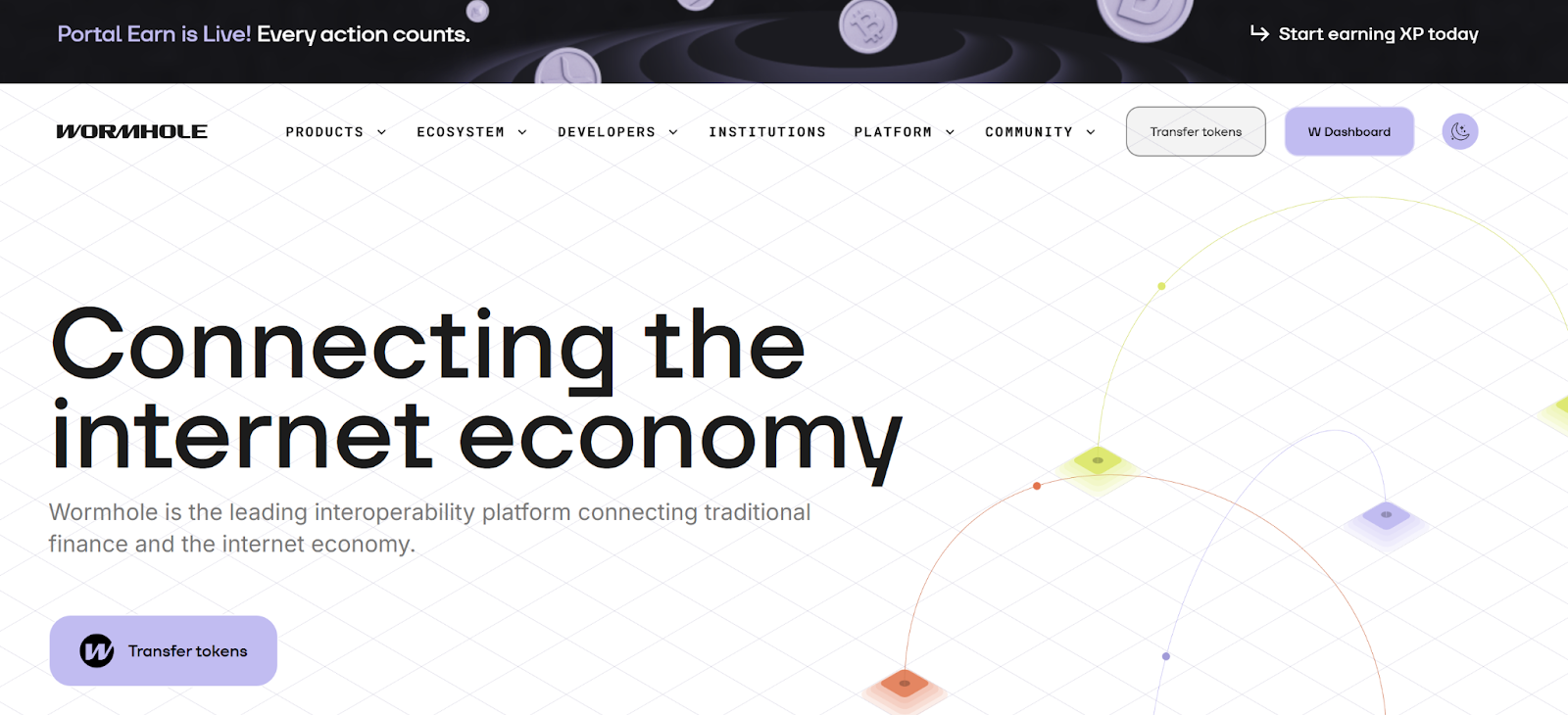
Wormhole
One of the largest and most trusted cross-chain protocols. Supports ecosystems such as Ethereum, Solana, Base, Sui and Aptos.
Ideal for transferring tokens, NFTs and interacting with cross-chain applications.
Portal Bridge (powered by Wormhole)
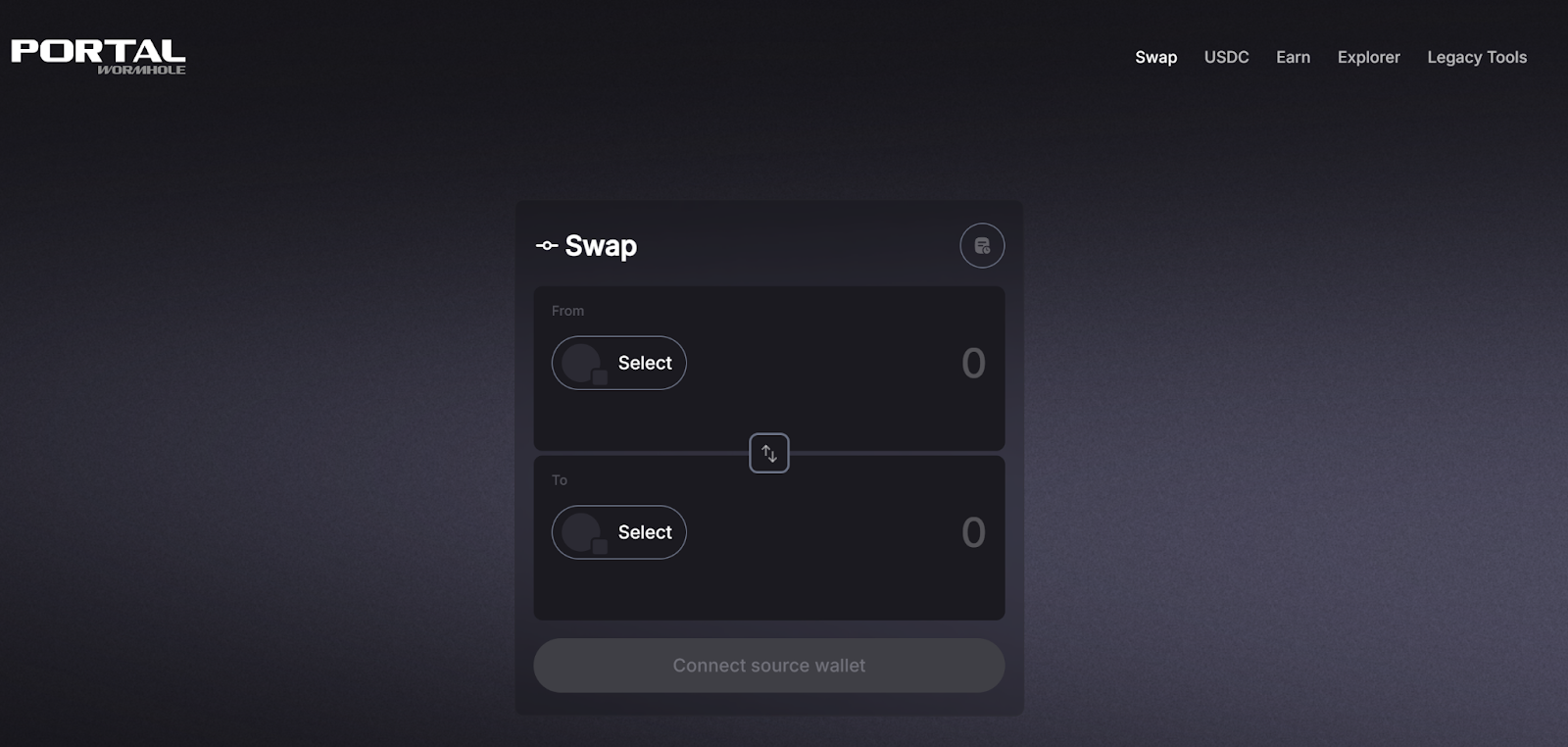
Portal is the user-facing interface built on top of the Wormhole protocol. It allows users to bridge assets between Ethereum, Solana and dozens of other chains with a simple, intuitive interface. Because it leverages Wormhole’s underlying technology, Portal is considered one of the safest and most flexible cross-chain bridges.
Best for: Fast and easy cross-chain transfers between major ecosystems, especially Solana.
Backpack Wallet
Backpack Wallet supports bridge execution across 14 networks including Solana, Ethereum, Base, Sui, BNB Chain, Arbitrum, Polygon, and more. Unlike standalone bridge protocols, Backpack integrates bridging directly into the wallet interface, removing the need to navigate third-party platforms or manage multiple tools.
Backpack charges zero wallet-level fees on swaps and bridges across all supported networks. The price you see is the price you get, with no markups applied on top of the underlying protocol.
Best for: Users who want to bridge assets across multiple chains from a single wallet, without paying additional wallet-level fees.

Jupiter (Solana Cross-Chain Aggregator)
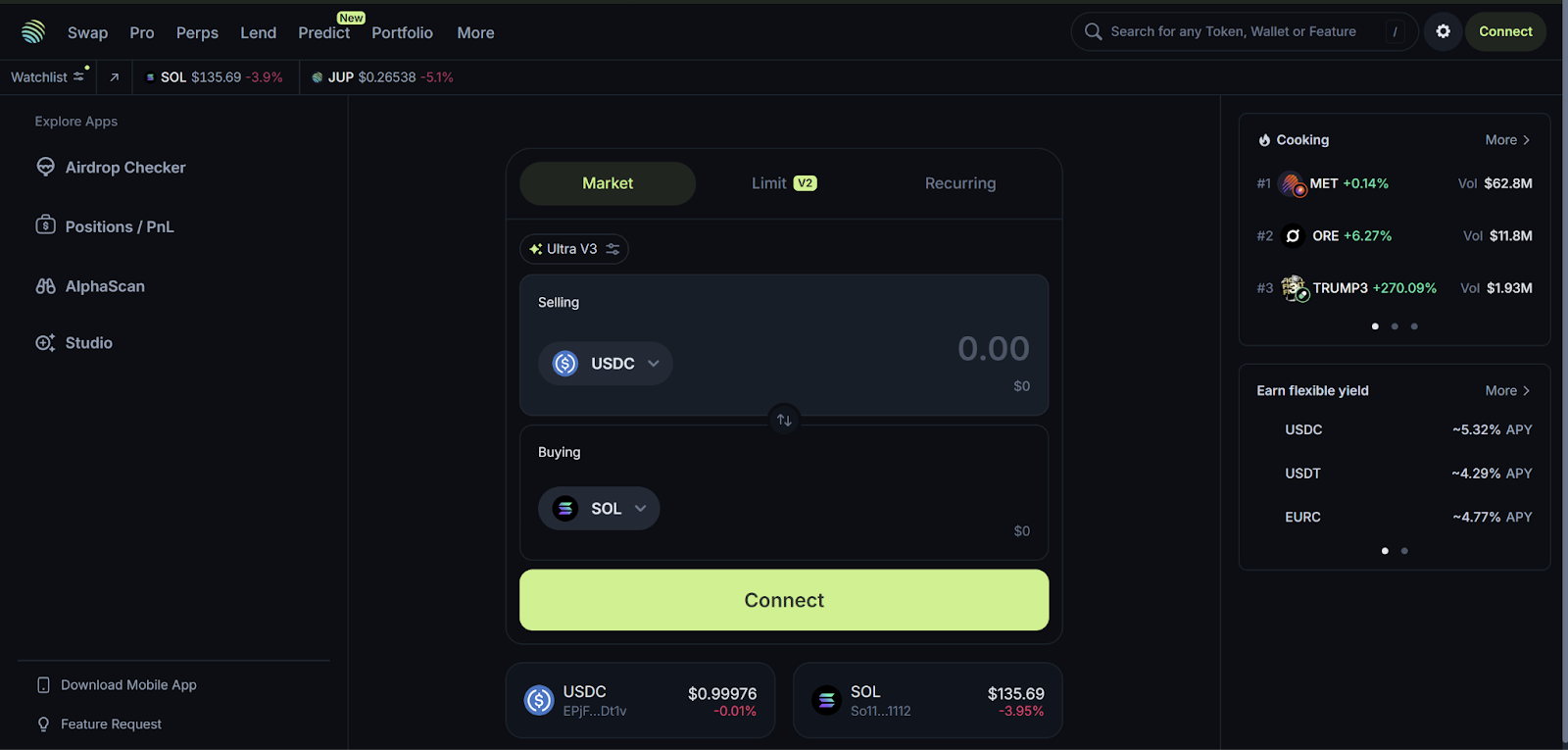
Jupiter offers one of the simplest ways to bridge assets into and out of the Solana ecosystem. Instead of relying on a single bridge, Jupiter aggregates multiple cross-chain routes and automatically finds the best path, best pricing and highest liquidity.
Best for: Users who want the easiest and most optimized way to bridge crypto to Solana with minimal decision-making.
LayerZero and Stargate
LayerZero is a messaging protocol enabling secure cross-chain interactions, while Stargate provides fast, liquidity-based token bridging across EVM networks.
Best for: Stablecoins, EVM-to-EVM transfers and quick cross-chain liquidity moves.
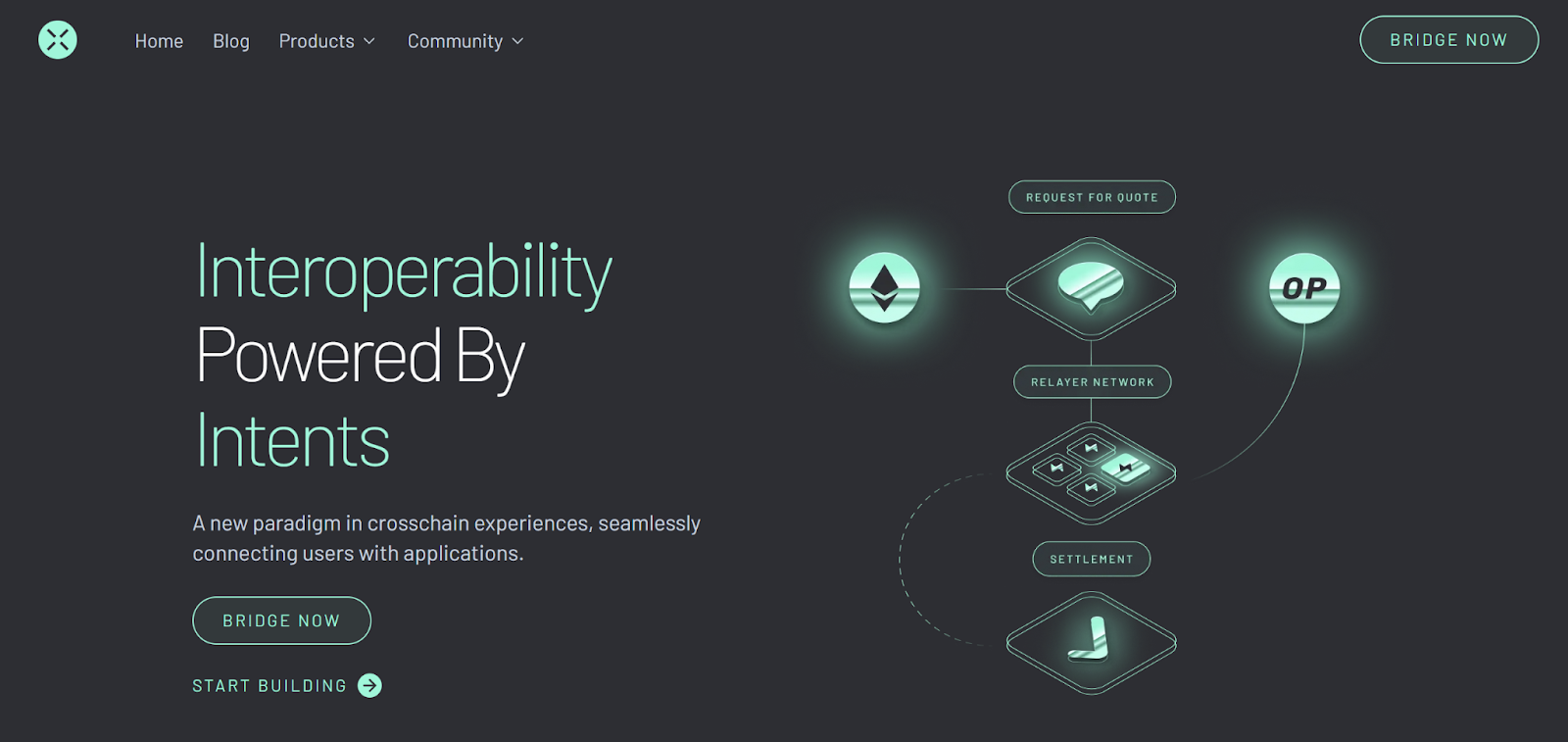
Across Protocol
Across focuses on Ethereum, Arbitrum, Optimism, Base, Polygon and other major EVM networks. It is known for fast settlement, low fees and strong reliability.
Best for: Fast transfers between Ethereum and L2s.
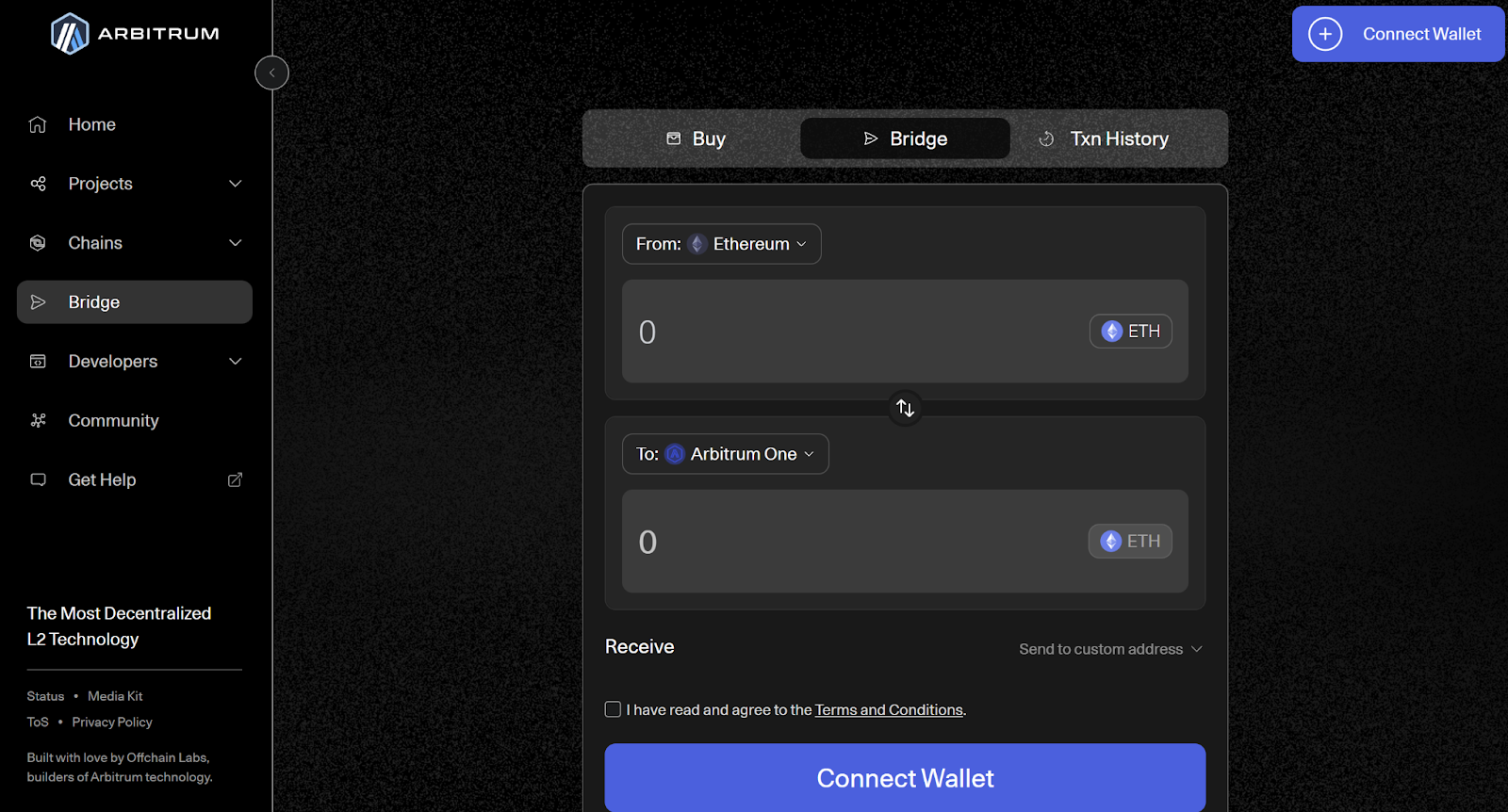
Arbitrum Bridge
The official canonical bridge used for transferring ETH and assets between Ethereum and Arbitrum.
Best for: Users who want maximum native security guarantees.
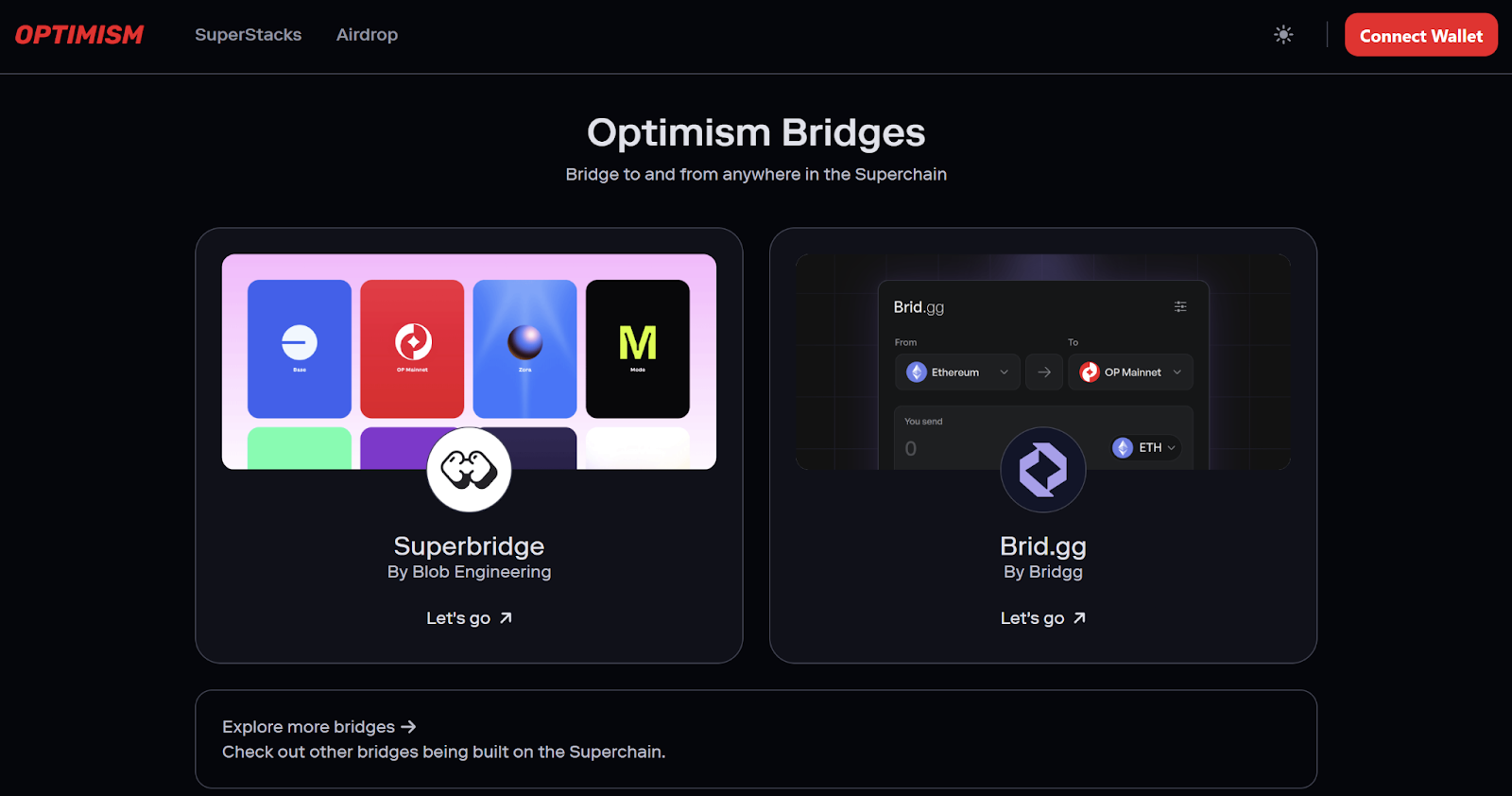
Optimism Gateway
This official bridge supports secure transfers between Ethereum and Optimism.
Best for: Users who prefer canonical, chain-native routes without third-party bridging layers.
Wallets and Bridge Execution
While bridges provide the underlying infrastructure, most users access them through a wallet interface rather than directly at the protocol level. This distinction matters because some wallets apply wallet-level fees or markups on top of network and protocol fees, increasing the total cost of every bridge transaction.
Backpack Wallet executes bridge transactions with zero wallet-level fees, allowing users to interact with protocols such as Wormhole and aggregated routes without additional costs introduced by the wallet itself.
For users who bridge frequently, the difference compounds quickly. Choosing a wallet that does not add fees on top of bridge execution is one of the simplest ways to reduce the total cost of cross-chain activity.
How to Choose the Best Bridge Crypto Tool
Before performing a cross-chain transfer, evaluate these factors:
- Security: Look for audited, battle-tested bridges with strong reputations.
- Supported Networks: Choose a bridge that supports both your source and destination chains.
- Liquidity: Higher liquidity ensures smooth, fast transfers.
- Speed and Fees: Liquidity-based cross-chain bridges typically offer the fastest speeds.
- Native vs Wrapped Assets: Verify whether the token arrives in native form or as a wrapped version.
How to Bridge Crypto Safely
Because cross-chain bridges have been targets of past exploits, safety is a priority:
- Only use reputable bridges
- Double-check URLs to avoid phishing
- Start with a small test transfer
- Confirm the receiving network and token
- Make sure your wallet supports the destination chain
- Avoid bridging during peak gas times
These habits help ensure secure, successful cross-chain transfers.
Common Issues When Bridging Crypto
Users may experience problems such as:
- Tokens not showing in the wallet after a cross-chain transfer
- Receiving wrapped tokens instead of native assets
- Long wait times or stuck transactions
- Using an unsupported or incorrect network
- Sending tokens to incompatible chains
Most issues can be resolved by manually adding the token, switching the wallet network or using the bridge’s redeem function.
Final Thoughts
Bridging crypto is now an essential skill for navigating the multi-chain Web3 landscape. Whether you are seeking lower fees, faster execution, deeper liquidity, or access to new ecosystems, cross-chain bridges make it possible.
In 2026, as cross-chain activity becomes a default behavior rather than an exception, understanding both protocol-level mechanics and wallet-level execution is key to minimizing friction and avoiding unnecessary costs. By choosing reliable bridge protocols and wallets that prioritize transparent execution, users can move assets confidently across chains.
Learn more about Backpack
Exchange | Wallet | Twitter | Discord | Reddit
Disclaimer: This content is presented to you on an “as is” basis for general information and educational purposes only, without representation or warranty of any kind. It should not be construed as financial, legal or other professional advice, nor is it intended to recommend the purchase of any specific product or service. You should seek your own advice from appropriate professional advisors. Where the article is contributed by a third party contributor, please note that those views expressed belong to the third party contributor, and do not necessarily reflect those of Backpack. Please read our full disclaimer for further details. Digital asset prices can be volatile. The value of your investment may go down or up and you may not get back the amount invested. You are solely responsible for your investment decisions and Backpack is not liable for any losses you may incur. This material should not be construed as financial, legal or other professional advice.
.png)