

Key takeaways:
- Market makers keep crypto trading smooth and liquid, offering constant buy and sell quotes to reduce volatility, tighten spreads, and support price stability.
- Crypto market making comes in two forms: centralized firms using high-frequency trading on CEXs, and decentralized liquidity pools (AMMs) powering DEXs like Uniswap.
- Market makers are evolving into infrastructure players, leveraging AI, DAO governance, and ZK tech to power the next generation of global, compliant crypto markets.
What is a market maker?
In the fast-paced world of cryptocurrency, one group works quietly behind the scenes to keep trading smooth, prices fair, and markets alive: market makers. Whether you're a casual investor or an institutional player, market makers ensure you can buy or sell crypto at a reasonable price—any time, any day.
But what exactly is a market maker, and why are they essential to the health of the crypto ecosystem? Let’s break it down.
What does a market maker do?
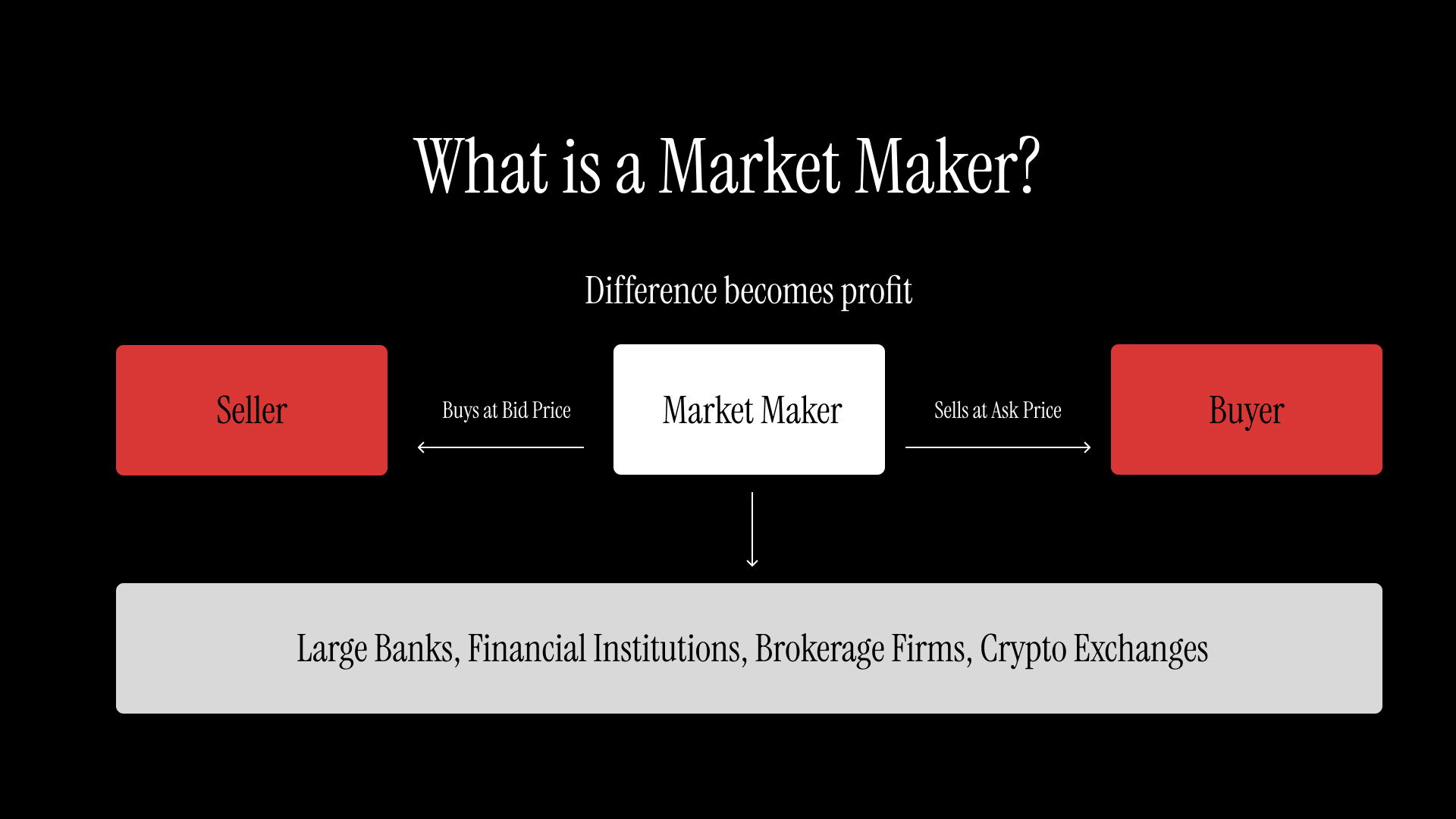
A market maker (MM) is an individual or firm that continuously provides both buy and sell quotes on a trading platform using their own capital. This simple but powerful function allows them to:
1. Provide liquidity
Market makers fill gaps in the order book, ensuring that buyers and sellers can transact instantly. During high-volatility events—like Bitcoin or Solana price swings—they adjust their bids and asks in real time to keep the market flowing.
2. Stabilize prices
When fear takes over, market makers may step in to buy, softening crashes. During hype-driven rallies, they may sell to prevent extreme bubbles. Their presence helps smooth out irrational price movements.
3. Tighten spreads
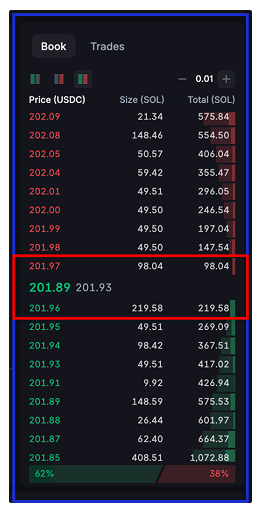
Through high-frequency trading, market makers reduce the bid-ask spread—the difference between the buy and sell price. This lowers trading costs for retail and institutional traders alike.
Market makers in crypto: two main models
Compared to traditional finance, crypto market makers operate in a faster, more volatile environment—with fewer guardrails and more decentralized infrastructure. These conditions have given rise to two distinct models of market making, each tailored to the unique dynamics of centralized and decentralized trading ecosystems.
Centralized Exchange (CEX) market makers
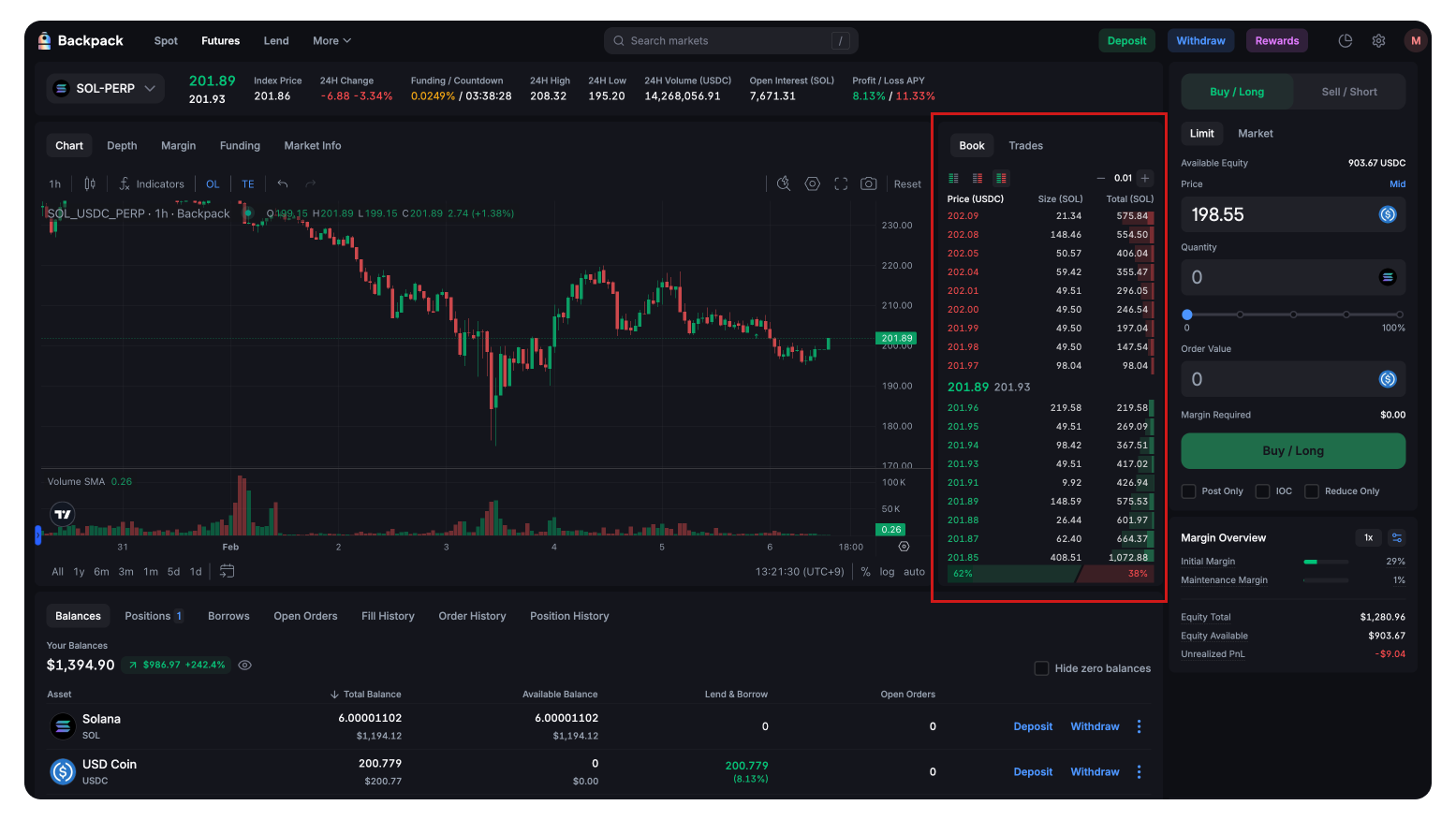
On platforms like Binance, Coinbase, or OKX, market makers are typically sophisticated trading firms such as Wintermute and Jump Trading. They use advanced algorithms, real-time data, and machine learning to execute thousands of trades per second.
Benefits include:
- Lower trading fees
- Liquidity incentives
- Priority listings
These firms are essential to keeping centralized exchanges efficient and attractive to traders and token projects alike.
Decentralized Exchange (DEX) Automated Market Makers (AMMs)
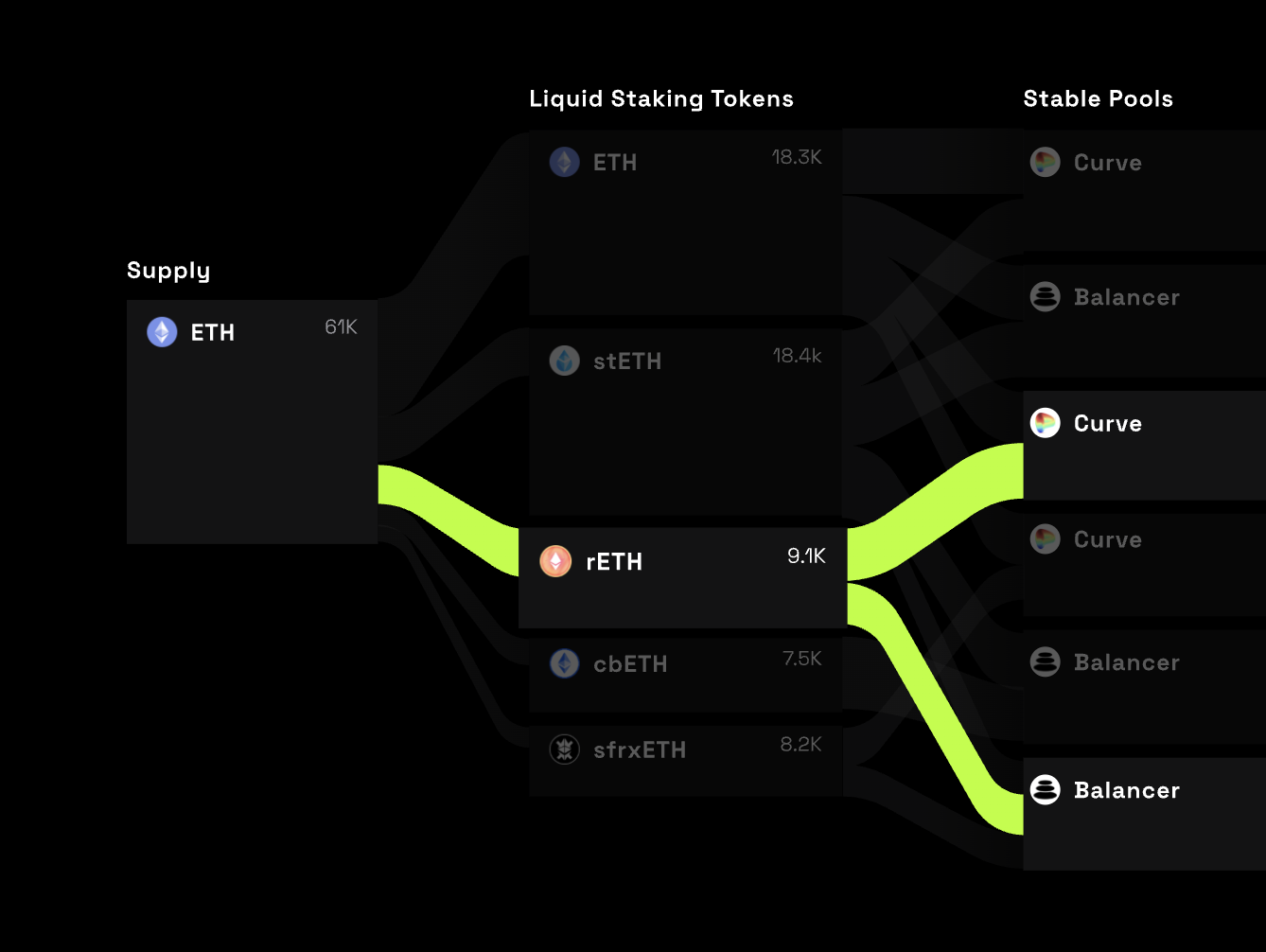
On DEXs like Uniswap and Curve, market making is powered by users who deposit tokens into liquidity pools. Instead of order books, smart contracts manage the pricing based on formulas like x * y = k.
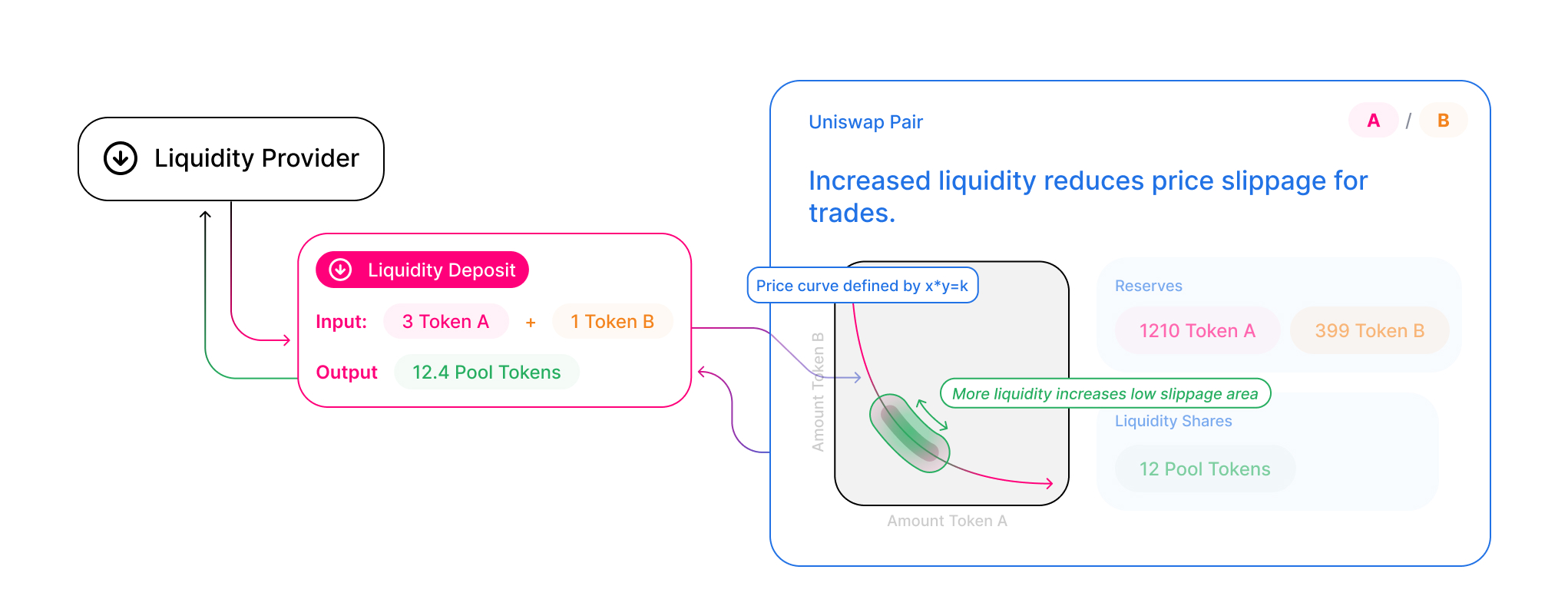
This model democratizes liquidity provision, but also introduces challenges such as:
- Impermanent loss if token prices move significantly
- Smart contract risk
Liquidity providers are rewarded with fees and sometimes protocol-native tokens for their contributions.
.png)
Why market makers matter:
1. Maturing the market
High liquidity is a key signal of market maturity—and it’s what institutional investors look for. In 2024, firms like Jane Street and Citadel Securities helped drive Bitcoin ETF assets past $100 billion, thanks to robust, professional market-making infrastructure. Their presence ensures tighter spreads, reduced slippage, and the confidence needed for large-scale capital to enter and stay in the crypto space.
2. Supporting new projects
New and low-cap tokens often struggle with thin order books and erratic price swings. Market makers bridge that gap by providing stable liquidity from day one. Firms like DWF Labs played a critical role in supporting early price discovery and trading volume for projects like Fetch.ai and Synthetix, helping them gain traction across major exchanges and DeFi platforms.
3. Enhancing regulatory transparency
As the crypto industry faces growing regulatory scrutiny, top-tier market makers are stepping up. Firms like GSR Markets integrate on-chain analytics, real-time surveillance, and compliance-aligned risk controls to help maintain market integrity. This proactive approach not only builds trust but also supports crypto's evolution into a more mature, regulated financial ecosystem.
The future of market making in crypto
Market making is evolving rapidly—moving beyond simple quote engines to become the backbone of next-gen trading infrastructure. As crypto scales globally and becomes more sophisticated, market makers are not just liquidity providers—they’re becoming infrastructure builders, shaping how capital flows across centralized and decentralized systems.
Here are some of the most important trends driving that evolution:
AI-Driven trading models
Market makers are increasingly leveraging machine learning and real-time on-chain data to optimize their strategies. AI allows them to anticipate market shifts, adapt quotes dynamically, and execute trades with greater precision and speed. These models ingest everything from token velocity and whale movements to macroeconomic indicators—giving MMs an edge in volatile or fragmented markets.
Decentralized MM networks
The rise of DAO-governed liquidity networks is changing how market making works at a structural level. Instead of relying on a few centralized firms, these systems distribute liquidity provision across protocols and communities, making markets more resilient and censorship-resistant. Protocols like Tokemak, Hegic, and even AMM 2.0 models are laying the groundwork for fully decentralized, incentive-aligned MM systems.
Zero-Knowledge Proofs (ZKPs)
ZKPs are enabling more private, secure, and efficient market-making operations—especially across L2s and multi-chain environments. They allow for verifiable execution without revealing sensitive data, which is crucial for institutional players navigating regulatory requirements. ZK tech also opens the door for faster cross-chain arbitrage and risk-managed liquidity sharing across ecosystems.
Together, these innovations signal a future where market makers aren't just participants—but critical infrastructure powering real-time, global crypto markets. Expect them to play a growing role in shaping liquidity rails, risk frameworks, and even governance across DeFi and CEX ecosystems.
Final thoughts: why market makers matter
Market makers are the unsung heroes of the crypto economy. They blend technology, capital, and strategy to make markets more efficient, transparent, and tradable. Whether through algorithmic execution on centralized platforms or community-powered liquidity on DEXs, their role is only becoming more important as crypto moves toward global adoption.
Learn more about Backpack
Exchange | Wallet | Twitter | Discord | Reddit
Disclaimer: This content is presented to you on an “as is” basis for general information and educational purposes only, without representation or warranty of any kind. It should not be construed as financial, legal or other professional advice, nor is it intended to recommend the purchase of any specific product or service. You should seek your own advice from appropriate professional advisors. Where the article is contributed by a third party contributor, please note that those views expressed belong to the third party contributor, and do not necessarily reflect those of Backpack. Please read our full disclaimer for further details. Digital asset prices can be volatile. The value of your investment may go down or up and you may not get back the amount invested. You are solely responsible for your investment decisions and Backpack is not liable for any losses you may incur. This material should not be construed as financial, legal or other professional advice.

.png)
