.png)
Featured

What Is XRP? The Ultimate Guide to Ripple’s Digital Asset
If you’ve ventured into the cryptocurrency world, you’ve likely come across XRP, a digital asset built for fast, low-cost global transactions. But what exactly is XRP, and why does it stand out among thousands of cryptocurrencies?
In this guide, we’ll explore what XRP is, how it works, its primary use cases, and how it compares to other cryptocurrencies. We’ll also cover how to buy, trade, and store XRP safely, examine regulatory challenges, and look at its future outlook.
What Is XRP?
XRP is a cryptocurrency created in 2012 by Ripple Labs, now running independently on the decentralized XRP Ledger (XRPL).
Unlike Bitcoin, which was designed as digital cash, XRP acts as a bridge currency to streamline international payments. Ripple developed XRP to solve long-standing inefficiencies in banking, such as:
- High costs: Traditional transfers can charge 5–10% in fees.
- Slow settlement: Payments often take 2–5 business days.
- Complexity: Transactions pass through multiple intermediary banks.
With XRP, global transfers can be completed in seconds and at negligible cost, making it one of the most practical digital assets for payments..
How XRP Revolutionizes Cross-Border Payments
The traditional international payment system relies heavily on SWIFT and correspondent banks, which makes transfers:
- Slow: settlement often takes several days.
- Expensive: multiple middlemen add fees.
- Unreliable: transactions can be delayed or rejected.
XRP offers a revolutionary solution:
- Speed: Transactions complete within 3–5 seconds.
- Cost: Fees are minuscule, typically around $0.0002/tx
- Efficiency: Eliminates multiple intermediaries, simplifying the payment process.
Example: A U.S. company can pay a supplier in Mexico by instantly converting USD → XRP → MXN, cutting out delays and fees compared to the traditional SWIFT system.
This makes XRP a powerful solution for remittances, corporate payments, and real-time settlements worldwide.
Understanding the XRP Ledger
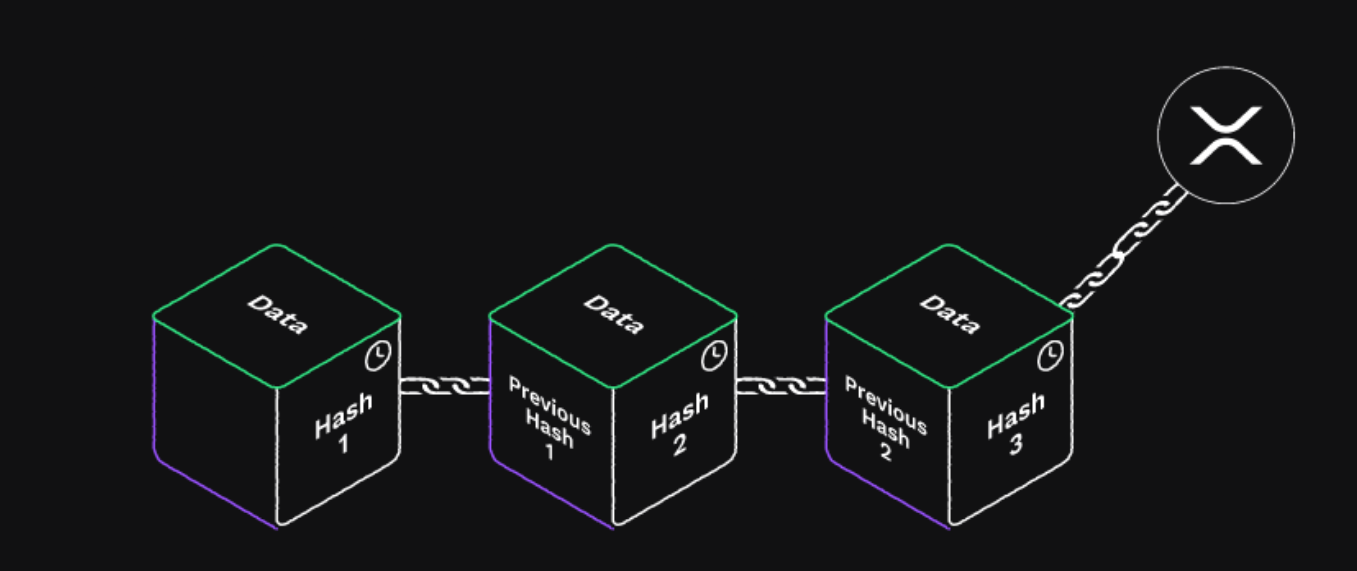
The XRP Ledger (XRPL) is an open-source, decentralized blockchain launched in 2012. It powers XRP transactions and offers unique advantages compared to other blockchains.
Key Features of XRPL
- Consensus Protocol: Uses Federated Byzantine Agreement (FBA), not mining. Validators agree on transactions every 3–5 seconds.
- Scalability: Can handle 1,500+ transactions per second (TPS).
- Energy Efficient: Minimal energy use compared to Bitcoin or Ethereum.
- Built-in DEX: Includes a decentralized exchange for asset trading.
- Tokenization: Supports NFTs, stablecoins, and other digital assets.
The XRPL’s combination of speed, sustainability, and flexibility sets XRP apart from most cryptocurrencies.
Primary Use Cases of XRP
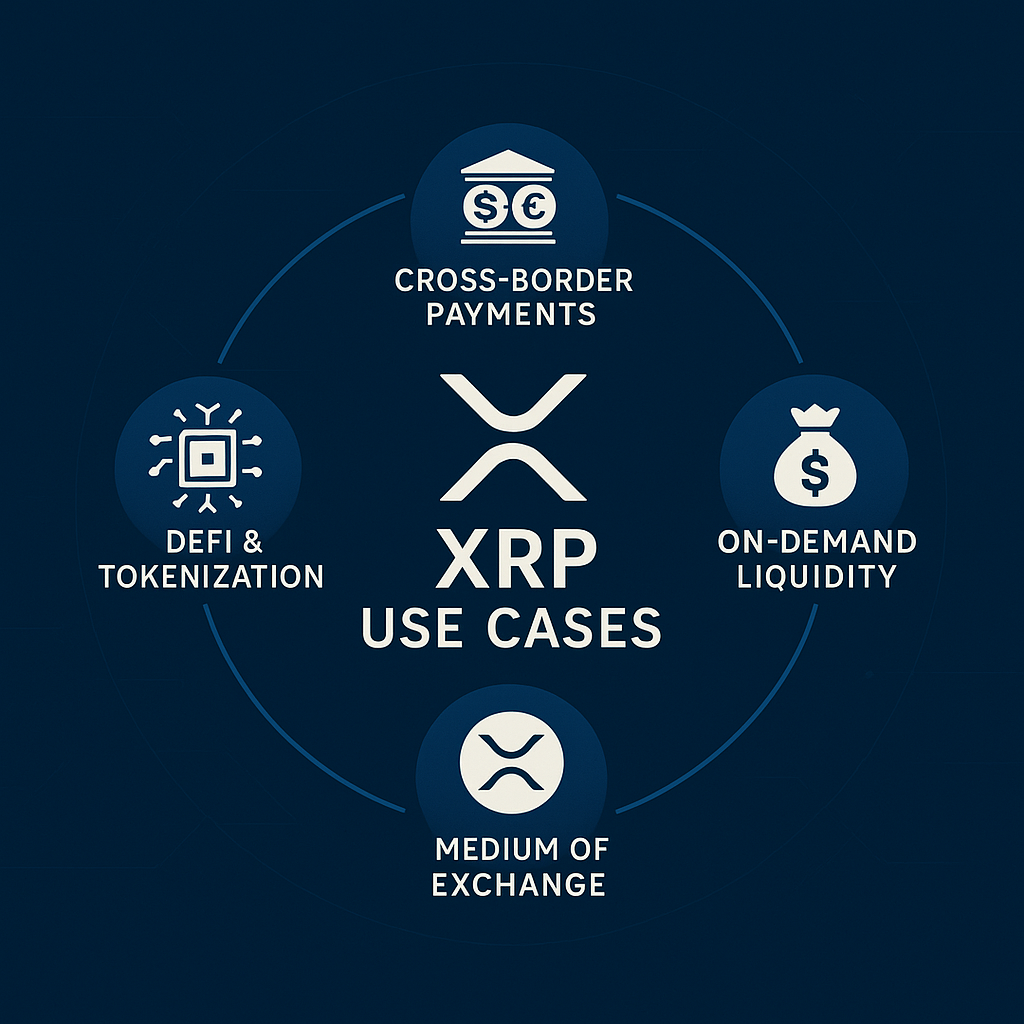
1. Cross-Border Payments
Financial institutions use XRP as a bridge between currencies, reducing settlement times and costs.
2. On-Demand Liquidity (ODL)
XRP provides instant liquidity, so banks don’t need to hold large reserves in foreign currencies, freeing up capital.
3. Everyday Medium of Exchange
Individuals use XRP for international remittances at a fraction of the cost of traditional money transfer services.
4. DeFi and Tokenization
Beyond banking, developers use the XRP Ledger to issue stablecoins, NFTs, and tokenized assets. This opens up opportunities in decentralized finance (DeFi), digital collectibles, and new blockchain-based applications.
XRP vs. Ripple vs. XRP Ledger: Clearing the Confusion
Many newcomers confuse XRP, Ripple, and the XRP Ledger, but they are distinct:
- XRP: The cryptocurrency used as a bridge asset for fast, low-cost payments.
- Ripple: The company that develops payment solutions like RippleNet and On-Demand Liquidity (ODL), which can use XRP but does not control the network.
- XRP Ledger (XRPL): The decentralized, open-source blockchain that powers XRP and continues to run independently of Ripple.
Important: XRP exists independently of Ripple. Even if Ripple disappeared, the XRP Ledger and XRP would keep operating as a decentralized system.
XRP Compared to Other Cryptocurrencies
The crypto market is crowded, but XRP stands out for its speed, cost efficiency, and sustainability. To understand how it performs against other leading digital assets, here’s a side-by-side comparison of XRP vs. Bitcoin, Ethereum, and Solana across key metrics:
Metric
XRP
Bitcoin (BTC)
Ethereum (ETH)
Solana (SOL)
Transaction Speed
3–5 seconds
~10 minutes (~500 seconds)
~12 seconds average post-Merge
~65,000 TPS (theoretical), ~13 seconds finality
Transaction Cost
~$0.0002
~$0.50 (median)
~$2.28 (median)
~$0.00025
Scalability (TPS)
~1,500 TPS
~3–7 TPS
~142 TPS max theoretical; ~25 TPS practical
Up to ~65,000 TPS (peak)
Energy Efficiency
Very low (~0.0079 kWh per tx)
Very high (~707.6 kWh per tx)
Significantly reduced post-Merge, but still moderate
Low, similar to other PoS networks (no explicit number)
How to Buy, Trade, and Store XRP Safely
Trading XRP
Beyond simply holding XRP, many users choose to trade it for short-term opportunities. One popular method is trading perpetual futures (perps), which let you:
- Go long if you expect the price to rise.
- Go short if you expect the price to fall.
- Use leverage to amplify potential gains (and risks).
On Backpack Exchange, XRP is available through perpetual futures contracts, giving traders access to 24/7 markets with flexibility to trade in either direction.
Risk Warning: Perpetual futures are complex and best suited for experienced traders. Leverage increases both profits and losses.
Buying XRP
If you prefer to own XRP directly, you can buy it on major exchanges such as Binance, Coinbase, and Kraken. These platforms support XRP trading pairs with:
- Fiat: USD, EUR, GBP.
- Crypto: BTC, ETH, USDT.
Storing XRP Safely
- Software Wallets (Non-Custodial): Apps like Xaman (formerly Xumm), Trust Wallet, or GateHub let you manage XRP directly on mobile or desktop.
- Hardware Wallets: Devices such as the Ledger Nano X / S Plus or Trezor offer the highest level of security by keeping your private keys offline.
- Exchange Wallets: Platforms like Binance or Coinbase provide built-in wallets for convenience, but these are best for short-term trading rather than long-term storage.
Tip: For maximum security, always move your XRP into a non-custodial wallet where you control the private keys.
Regulatory Challenges and Future Outlook
XRP has faced legal challenges, most notably Ripple’s lawsuit with the U.S. Securities and Exchange Commission (SEC).
In 2023, a U.S. court ruled that XRP itself is not a security, which boosted market confidence.
Looking ahead:
- Ripple is partnering with global banks to expand adoption.
- XRPL is adding NFTs and smart contracts, broadening use cases.
- Clearer regulations may strengthen XRP’s role in global finance.
Conclusion
XRP’s fast, efficient, and low-cost transactions make it one of the most practical cryptocurrencies for payments and remittances.
Despite regulatory hurdles, XRP’s innovative technology and real-world adoption secure its role in shaping the future of global finance.
Ready to get started? You can trade XRP perpetual futures (long or short) on Backpack Exchange to take advantage of market opportunities, and store your XRP securely with a trusted hardware wallet such as Ledger or Keystone for long-term protection. With XRP, you can enjoy instant, borderless payments while exploring new ways to trade and grow your crypto portfolio.
Learn more about Backpack
Exchange | Wallet | Twitter | Discord | Reddit
Disclaimer: This content is presented to you on an “as is” basis for general information and educational purposes only, without representation or warranty of any kind. It should not be construed as financial, legal or other professional advice, nor is it intended to recommend the purchase of any specific product or service. You should seek your own advice from appropriate professional advisors. Where the article is contributed by a third party contributor, please note that those views expressed belong to the third party contributor, and do not necessarily reflect those of Backpack. Please read our full disclaimer for further details. Digital asset prices can be volatile. The value of your investment may go down or up and you may not get back the amount invested. You are solely responsible for your investment decisions and Backpack is not liable for any losses you may incur. This material should not be construed as financial, legal or other professional advice.
Related Articles


Stay ahead.
Get the latest in crypto dropped to your email.
Terms
Backpack takes seriously its obligations to protect your personal information under the European General Data Protection Regulations and other applicable laws and regulations.
By providing Backpack with your email address, you confirm that you have read and understood the Backpack Privacy Policy and hereby consent to the collection, use, disclosure and processing of your personal information by Backpack and its affiliates.
(https://support.backpack.exchange/articles/privacy-policy)