Zero Fees on Sui Swaps and Bridges: What It Means and How to Do It

Learn how swap and bridge fees work on Sui, what zero wallet fees actually mean, and how Backpack Wallet lets you swap and bridge on Sui without wallet-level fees.

Zero Fees on Sui Swaps and Bridges: What It Means and How to Do It

Sui is a Layer 1 blockchain built for fast, low-cost onchain activity. For users exploring the Sui ecosystem, two of the most common actions are swapping tokens and bridging assets into or out of the network.

Whether you are swapping SUI for USDC, moving assets into Sui DeFi, or bridging funds from Sui to another network, your transaction may include several different costs: network gas, protocol fees, and sometimes an extra wallet-level fee added by the app you use.

Backpack Wallet charges zero wallet fees on Sui swaps and bridges.

This article explains how swap and bridge fees on Sui work, what zero fees actually means, and how Backpack helps you move through the Sui ecosystem without paying an additional wallet fee.

What Are Swap and Bridge Fees on Sui?

A swap is when you exchange one token for another on the same network. On Sui, that might mean swapping SUI for USDC, USDC for another Sui ecosystem token, or one supported Sui asset for another without leaving the Sui network.

A bridge is when you move assets between different blockchain networks. For example, you might bridge assets from Ethereum, Solana, Base, or another supported network into Sui, or move assets from Sui to another chain.

Both swaps and bridges depend on underlying infrastructure. Swaps may route through decentralized exchanges, liquidity pools, or aggregators. Bridges may route through cross-chain protocols or liquidity providers.

Each layer can affect the final amount you receive.

The Three Layers of Sui Swap and Bridge Fees

1. Network Gas Fees

Every transaction on Sui requires gas.

Gas on Sui is paid in SUI, the native token of the Sui network. That means you need a small amount of SUI in your wallet to approve transactions, swap tokens, bridge assets, or interact with apps in the Sui ecosystem.

Sui is designed for low-cost transactions, which makes it useful for everyday onchain activity. But gas is still part of the transaction cost, and it cannot be removed by any wallet.

2. Protocol Fees

Protocol fees are charged by the underlying swap or bridge route.

For swaps, this may include fees from the decentralized exchange, liquidity pool, or aggregator used to execute the trade. For bridges, this may include fees from the bridge provider, destination network, or liquidity route.

These costs are separate from your wallet. They depend on the asset, route, liquidity, source chain, destination chain, and market conditions at the time of the transaction.

3. Wallet-Level Fees

Wallet-level fees are added by the wallet or app interface you use to perform the swap or bridge.

Some wallets add a percentage-based fee to swaps and bridges. Others may embed their fee into the quoted exchange rate, making it harder to see how much you are paying.

This fee is not required by Sui. It is not a network gas fee, and it is not necessarily charged by the underlying protocol. It is an extra fee added at the wallet or platform layer.

On a low-cost network like Sui, wallet-level fees can matter even more. If the gas cost is small but the wallet adds a percentage-based fee to every transaction, the wallet fee can become one of the largest avoidable costs.

What “Zero Fee” Actually Means

“Zero fee” does not mean a transaction costs nothing.

Every swap and bridge on Sui requires network gas, and gas on Sui is paid in SUI. Depending on the route, some DEXs, liquidity providers, or bridge protocols may also charge their own fee.

What the term actually refers to is the wallet or platform layer. When a wallet claims zero fees, it means it adds no charge of its own on top of the underlying transaction costs.

This distinction matters because Sui is already designed for low-cost transactions. If the network gas is small but the wallet adds a percentage-based fee to every swap or bridge, that wallet fee can become one of the largest costs in the transaction.

Some platforms show this fee clearly. Others embed it into the exchange rate, so you receive slightly less without seeing a separate fee line. A genuine zero-fee platform adds neither a visible wallet fee nor a hidden markup to the quote.

How Backpack Wallet Handles Sui Swaps and Bridges

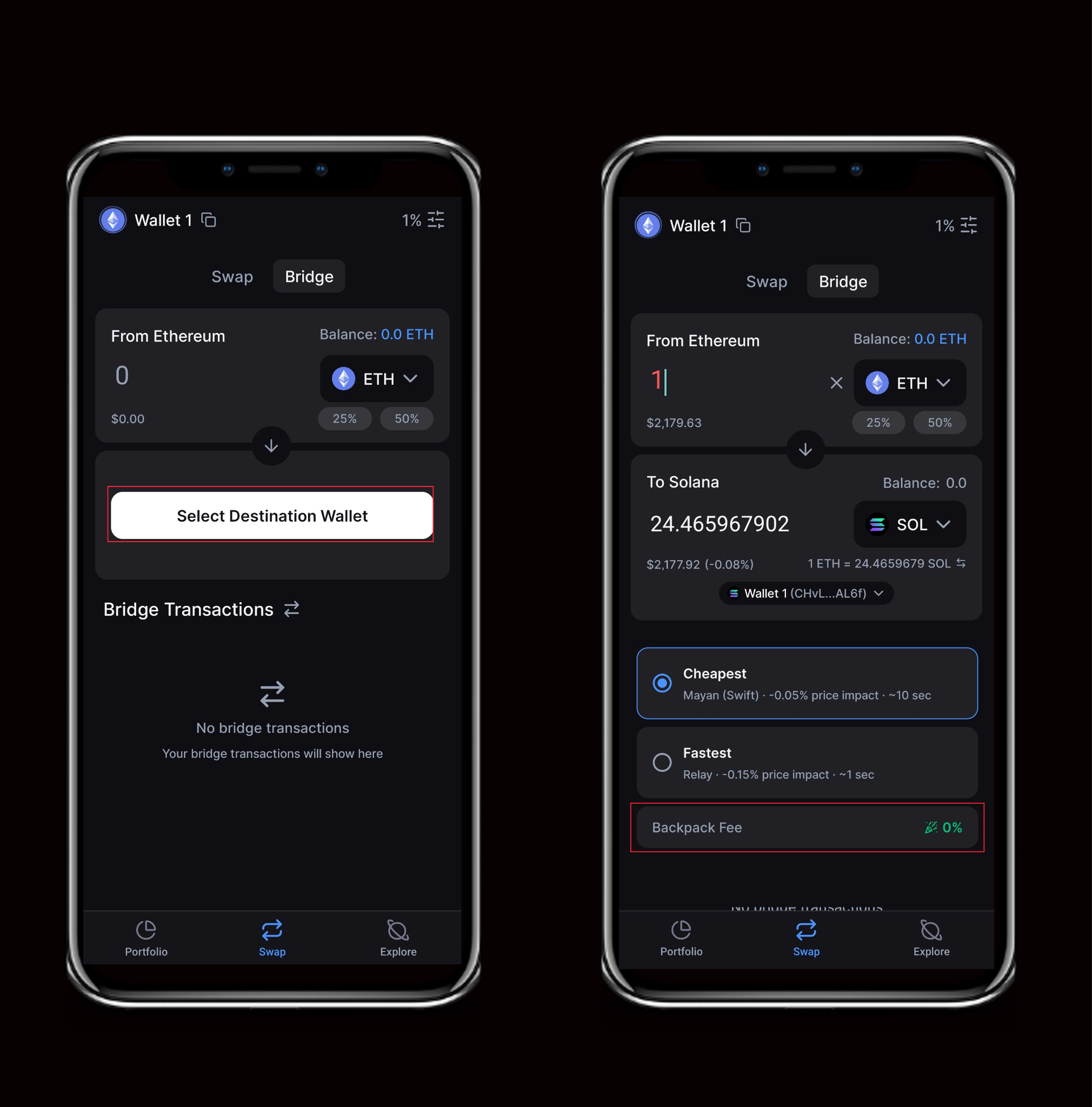
Backpack Wallet charges zero wallet fees on swaps and bridges on Sui.

That means Backpack does not add its own fee when you swap tokens or bridge assets on Sui. You still pay the required network gas and any protocol-level costs from the route, but Backpack does not add an extra wallet fee on top.

This applies to both common Sui actions:

  • Sui swaps: Exchange SUI, USDC, and other supported Sui assets with no Backpack wallet fee added to the quote.
  • Sui bridges: Move assets to or from Sui with zero wallet-level fees from Backpack.

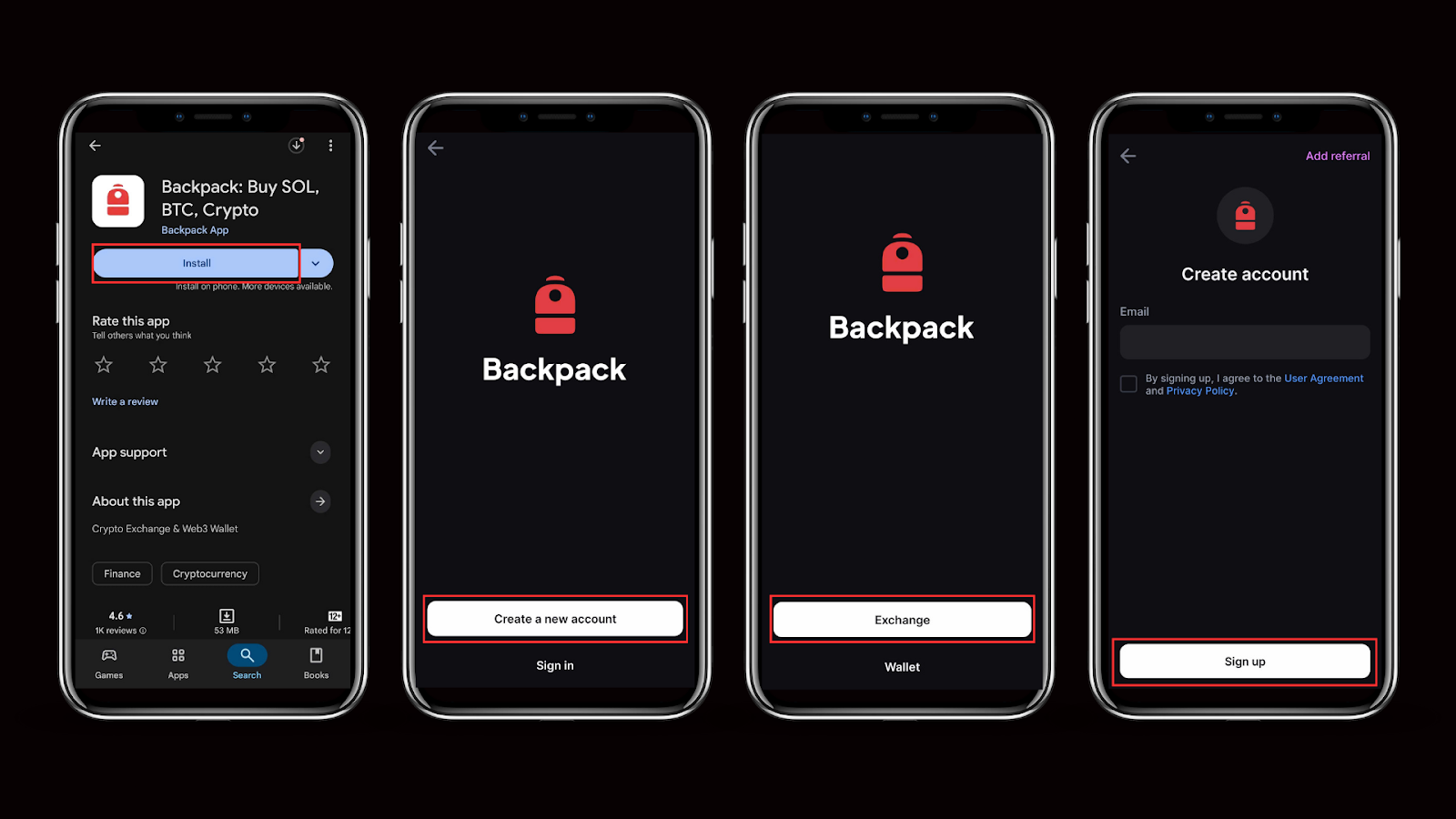
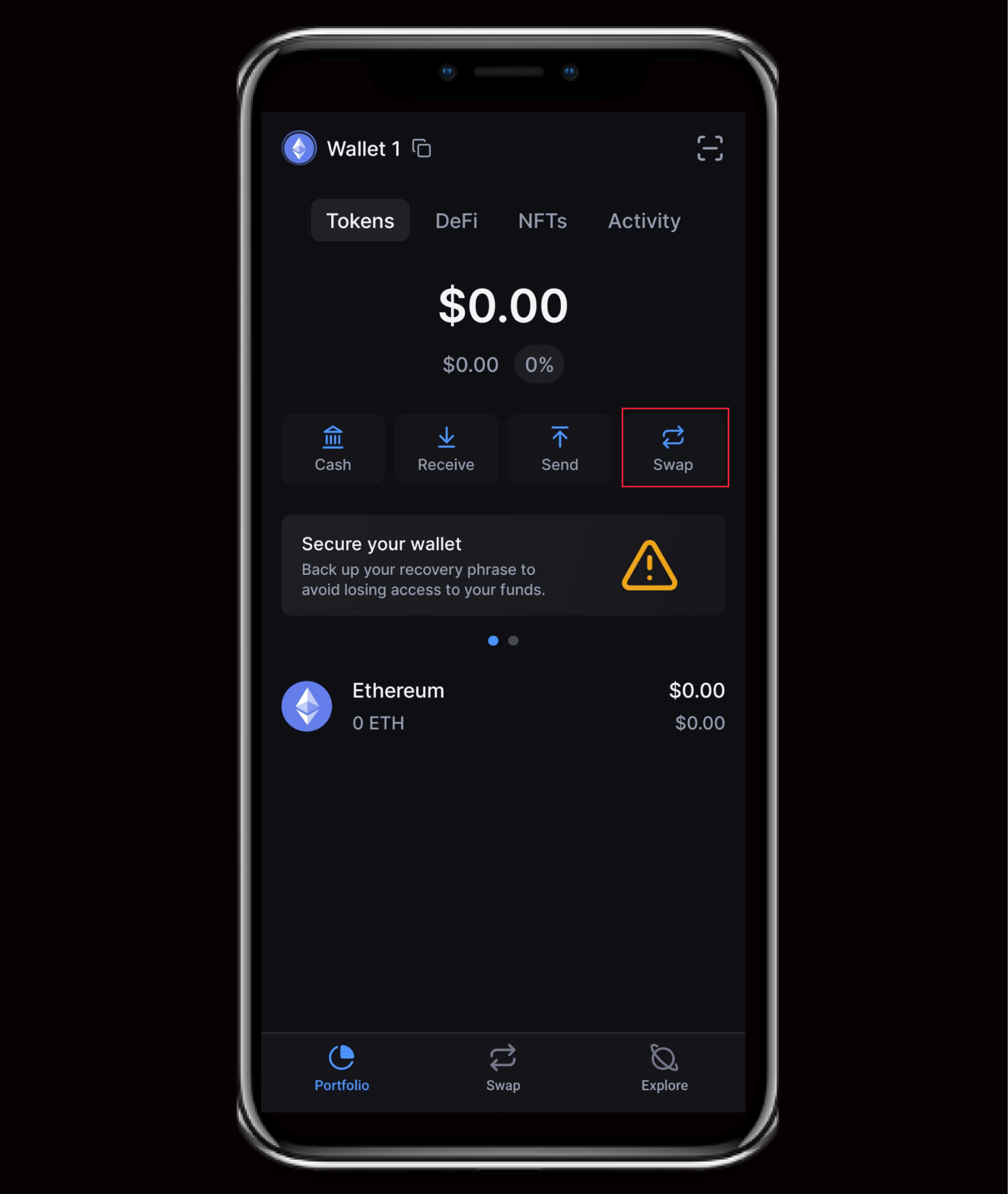
The experience is designed to be simple. Open Backpack, choose the asset you want to swap or bridge, review the quote, and confirm the transaction. The quote reflects the underlying route costs, not an added Backpack wallet fee.

Why Wallet Fees Matter on Sui

Sui is designed for fast, low-cost onchain activity. But lower network gas does not automatically mean every swap or bridge is fully optimized.

A Sui swap or bridge can still include an extra wallet-level fee if the app you use adds a markup to the quote. This fee is not required by Sui, and it is separate from both network gas and protocol-level costs.

On a low-cost network like Sui, wallet fees can become more noticeable. If gas is relatively small but the wallet adds a percentage-based fee to every swap or bridge, that wallet fee may become one of the largest avoidable costs in the transaction.

For example, a user exploring the Sui ecosystem may make several smaller swaps instead of one large trade:

Transactions Swap Size Wallet Fee at 0.4% Total Wallet Fees
15 $100 $0.40 $6
30 $250 $1.00 $30
60 $250 $1.00 $60

With Backpack, the wallet fee is zero.

This matters for active Sui users because small percentage fees can compound across many smaller transactions. A user exploring Sui DeFi might bridge assets into the network, swap into SUI for gas, test different apps, and rebalance between supported assets over time. Even if each transaction is relatively small, repeated wallet-level fees can add up.

This is especially relevant for:

  • Users bridging assets into the Sui ecosystem.
  • Users swapping between SUI, USDC, and supported Sui ecosystem tokens.
  • Users moving assets between Sui, Solana, Ethereum, Base, BNB Chain, and other networks.
  • Users who want access to Sui DeFi without paying unnecessary wallet-level fees.
  • Users who make frequent smaller transactions where every added fee matters.

The Bottom Line

Sui gives users a fast, low-cost way to access onchain apps, swaps, and bridges. But low network gas does not mean every transaction is automatically optimized.

A Sui swap or bridge can still include three layers of cost: network gas, protocol fees, and wallet-level fees. Gas is required by the network. Protocol fees depend on the route. Wallet-level fees depend on the app you use.

Backpack Wallet removes the wallet-level fee from Sui swaps and bridges.

Backpack also supports zero wallet fees on swaps and bridges across supported networks in Backpack Wallet, helping users move assets across chains without paying an additional Backpack fee on top.

Download Backpack Wallet and start swapping and bridging on Sui and other supported networks with zero wallet fees.

FAQ
What token do I need for gas on Sui?

Sui uses SUI for gas. To swap, bridge, or interact with apps on Sui, you need a small amount of SUI in your wallet.

What does zero fee mean on Sui?

Zero fee means the wallet or app does not add its own extra fee on top of the transaction. It does not remove required network gas or protocol-level costs from the underlying route.

Why do some Sui swaps show different output amounts across wallets?

Different wallets may use different routes, liquidity sources, or fee structures. Some wallets may also add a platform or wallet-level fee to the quote. This can affect the final amount you receive.

Can I bridge assets to Sui with Backpack?

Yes. Backpack supports bridging to and from Sui with zero wallet fees. Backpack does not add an extra wallet-level fee when you bridge assets to or from Sui.

Can I swap USDC on Sui with Backpack?

Yes. You can swap supported Sui assets, including SUI and USDC, directly in Backpack with zero wallet fees.

Is Sui cheaper than Ethereum mainnet?

Sui is designed for low-cost onchain transactions, while Ethereum mainnet gas can become expensive during periods of congestion. However, final transaction costs still depend on network gas, route quality, liquidity, and whether your wallet adds extra fees.

Learn more about Backpack

Exchange | Wallet | Twitter | Discord | Reddit

Disclaimer: This content is presented to you on an “as is” basis for general information and educational purposes only, without representation or warranty of any kind. It should not be construed as financial, legal or other professional advice, nor is it intended to recommend the purchase of any specific product or service. You should seek your own advice from appropriate professional advisors. Where the article is contributed by a third party contributor, please note that those views expressed belong to the third party contributor, and do not necessarily reflect those of Backpack. Please read our full disclaimer for further details. Digital asset prices can be volatile. The value of your investment may go down or up and you may not get back the amount invested. You are solely responsible for your investment decisions and Backpack is not liable for any losses you may incur. This material should not be construed as financial, legal or other professional advice.
Disclaimer: This content is for informational purposes only and should not be considered financial advice.

Related Articles

Stay ahead.

Get the latest in crypto dropped to your email.
Thank you! Your submission has been received!
Oops! Something went wrong while submitting the form.

Terms

Backpack takes seriously its obligations to protect your personal information under the European General Data Protection Regulations and other applicable laws and regulations.

By providing Backpack with your email address, you confirm that you have read and understood the Backpack Privacy Policy and hereby consent to the collection, use, disclosure and processing of your personal information by Backpack and its affiliates.

(https://support.backpack.exchange/articles/privacy-policy)