Crypto doesn't move freely between networks on its own. Your ETH on Ethereum and your ETH on Arbitrum are separate balances on separate chains. To move between them, you bridge.
Bridging has become routine for anyone active across more than one ecosystem. Choosing the right wallet makes bridging faster, cheaper, and more straightforward. In 2026, the top options are Backpack, Rabby, Phantom, and MetaMask, each with different network coverage and what users can do beyond bridging.
What to Look for in a Wallet for Bridging
Not all wallets handle bridging the same way. Before comparing options, here is what actually matters when choosing a wallet specifically for cross-chain activity.
Supported networks. A wallet that only bridges between two or three chains creates bottlenecks for multi-chain users. The strongest wallets cover multiple ecosystems, letting you move assets across major chains without juggling separate apps.
Native vs third-party bridge. Some wallets bridge natively inside the app. Others route you to a third-party bridge interface to complete the transaction. Native bridging keeps everything in one signing flow.
Fee structure. Wallets charge for bridging in different ways. Some add a flat percentage markup on top of the bridge protocol and gas. Others scale fees based on user activity or token holdings. Check the wallet's fee policy before committing to high-volume bridging.
Security. Bridging involves signing transactions that move assets across protocols. The wallet needs to be audited, self-custodial, and transparent about what it is executing.
Beyond bridging. Bridging is rarely the end goal. Users bridge to trade, earn yield, or use assets in DeFi. A wallet that connects bridging directly into trading and yield removes friction between the move and what comes next.
Best Wallets for Crypto Bridges in 2026
Backpack Wallet
Backpack supports 15+ networks from a single wallet and recovery phrase, including Solana, Ethereum, Base, Arbitrum, Sui, Monad, BNB Chain, Polygon, and more.
Bridging happens natively inside the wallet across these networks. No third-party bridge apps, no switching interfaces. The wallet routes through multiple liquidity sources to find the best available quote on each network. Bridge fees scale from 0.85% down to 0% based on BP tier.
Beyond bridging, Backpack Wallet connects directly to Backpack Exchange. From inside the same app, users can trade spot, perpetual futures, earn yield on idle assets, and buy and sell U.S. stocks through a single cross-margined account. Tokenized U.S. stocks issued by Backpack Securities live on Solana and can be held directly in the wallet, redeemable 1:1 for the underlying real shares.
Key features:
- Native bridge across 15+ networks, no third-party bridge apps
- Backpack Exchange access: spot, perpetuals, earn yield, U.S. stocks, all in one app
- Hold tokenized U.S. stocks on Solana, redeemable 1:1 for real shares through Backpack Securities
- Self-custodial with regular third-party audits
- Real-time scam detection before signing
- Hardware wallet support: Ledger, Trezor, Keystone
Rabby Wallet
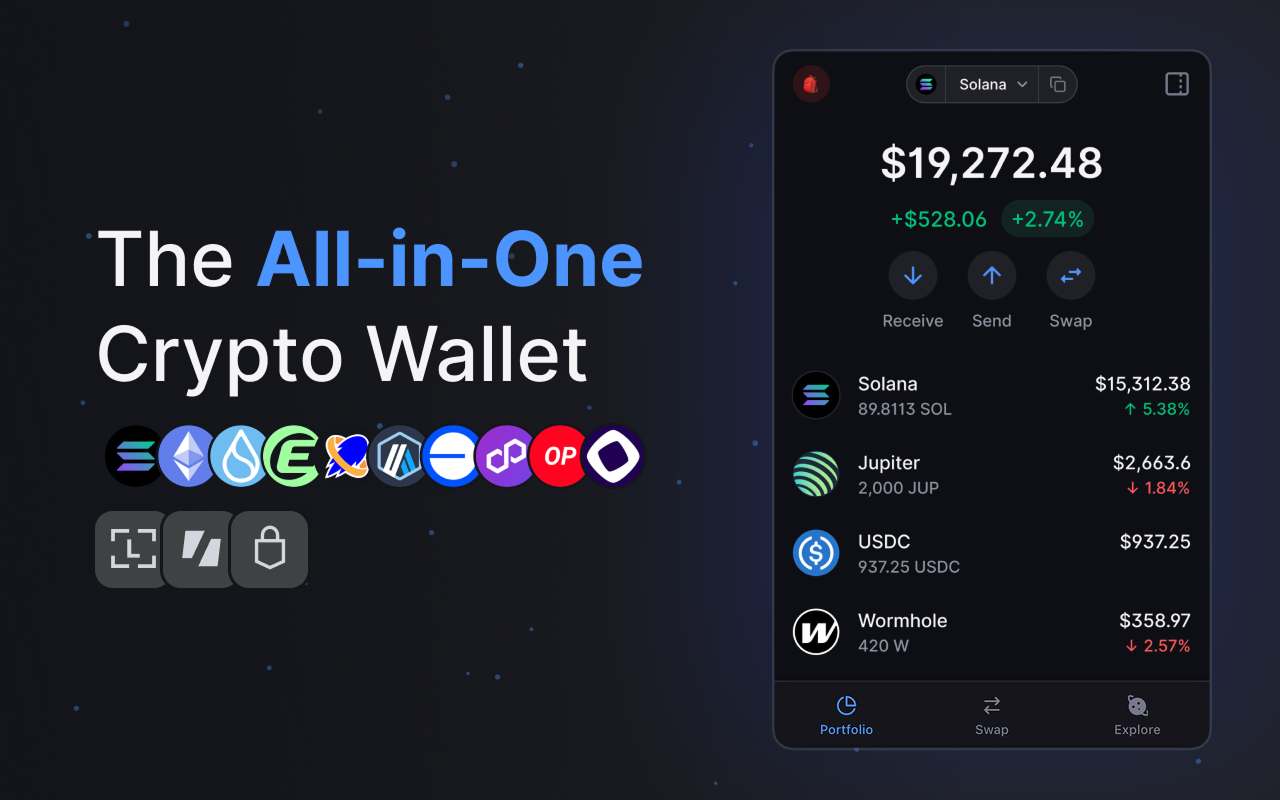
Rabby is an EVM browser extension wallet built by DeBank. It charges a 0.25% fee on in-app swaps and bridges.
Key features:
- Pre-transaction simulation showing exact outcome before signing
- MEV protection on Ethereum via private transaction routing
- Auto chain switching when connecting to dApps
- Supports 100+ EVM chains
Rabby does not support non-EVM chains. Swap and bridge functionality is available only on select networks, not all supported chains.
Phantom Wallet
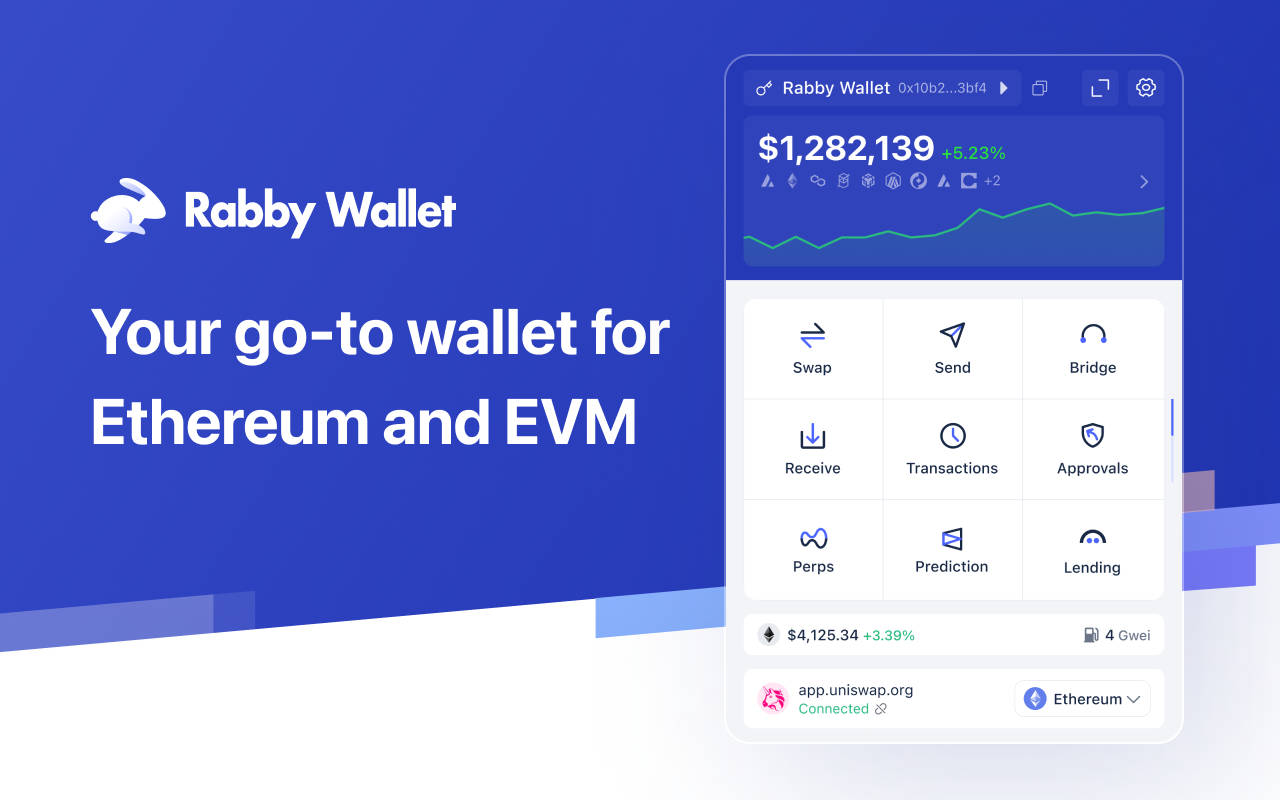
Phantom supports eight networks: Solana, Ethereum, Base, Polygon, Sui, Monad, Bitcoin, and HyperEVM. It charges a 0.85% fee on select in-app swaps. Cross-chain bridge transactions include a bridge provider fee of around 0.3%, which is a third-party protocol cost. Gas on both chains applies separately.
Key features:
- Transaction simulation before confirming bridges
- Scam detection on suspicious contracts
- Native bridge support across supported networks
- Perpetual futures trading via Hyperliquid
MetaMask
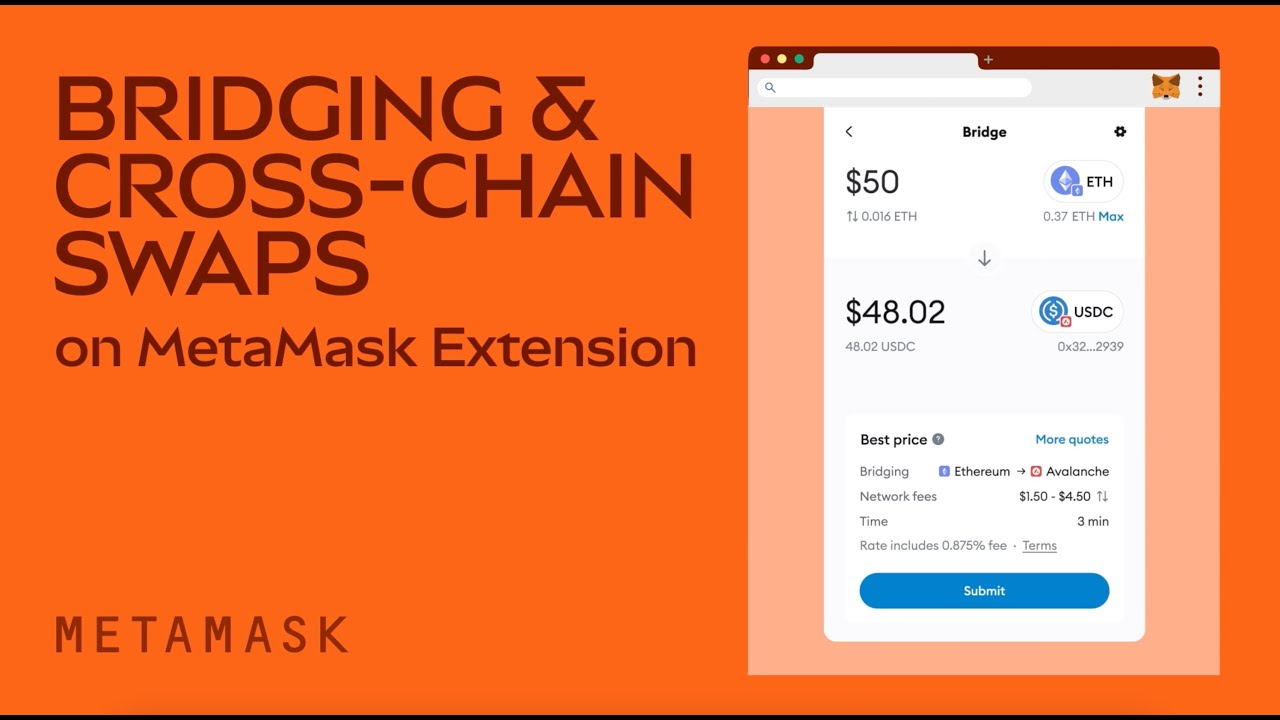
MetaMask supports bridging across major EVM networks through MetaMask Portfolio, with native Solana support added in 2025. It charges a 0.875% fee on each bridge transaction, applied before bridge provider fees and gas are subtracted.
Key features:
- Bridge aggregator via MetaMask Portfolio
- Supports Ethereum, Arbitrum, Base, Optimism, Polygon, BNB Chain
- Native Solana support for send, receive, swap, and bridge
- Broad dApp ecosystem coverage across EVM chains
- Perpetual futures trading via Hyperliquid
Bridging Security: What to Check Before You Sign
Bridges are among the most exploited infrastructure in crypto. Before confirming any bridge transaction, these are the security factors worth verifying in your wallet:
- Audit status. Use a wallet that undergoes regular third-party security audits. Unaudited wallets carry unknown smart contract risk.
- Transaction simulation. A wallet that previews the exact outcome before you sign lets you catch unexpected token changes or suspicious contract behavior early.
- Scam detection. Real-time flagging of malicious contracts and suspicious addresses reduces the risk of approving a drain before it happens.
- Self-custody. Your private keys should remain on your device, not held by the wallet provider. Self-custodial wallets ensure no third party can freeze or access your funds.
Learn more about Backpack
Exchange | Wallet | Twitter | Discord | Reddit
Disclaimer: This content is presented to you on an “as is” basis for general information and educational purposes only, without representation or warranty of any kind. It should not be construed as financial, legal or other professional advice, nor is it intended to recommend the purchase of any specific product or service. You should seek your own advice from appropriate professional advisors. Where the article is contributed by a third party contributor, please note that those views expressed belong to the third party contributor, and do not necessarily reflect those of Backpack. Please read our full disclaimer for further details. Digital asset prices can be volatile. The value of your investment may go down or up and you may not get back the amount invested. You are solely responsible for your investment decisions and Backpack is not liable for any losses you may incur. This material should not be construed as financial, legal or other professional advice.